U.S. DOE announces $12 million space solar fund
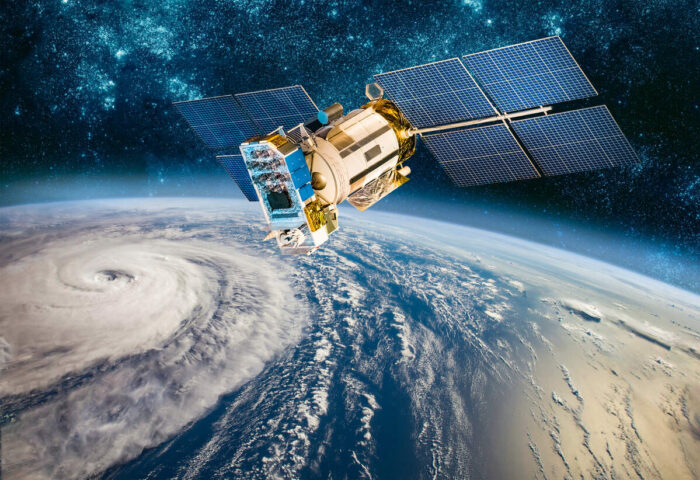
The U.S. Department of Energy (DOE) has launched a $12 million fund for the research and development of space-based solar technologies, with DOE officials announcing the fund on Sept. 1.
Aiming to expand domestic manufacturing of solar panels for outer space applications, the Space Photovoltaics (PV) Research and Development Partnership Intermediary Agreement (PIA) opportunity “will help ensure the next generation of space photovoltaics (PV) is developed in America,” the DOE says.
Led by the department’s Integrated Energy Systems Office (IESO), the program hopes to accelerate technical innovation on U.S. shores, driving down prices of domestic space solar products and projects.
“The next frontier for solar PV power generation is in space,” says assistant Secretary of Energy Audrey Robertson. “As demand for space-grade PV skyrockets, this investment will establish American leadership in next-generation, space-based PV, bolster our national security, and enhance our economic competitiveness.”
The funding will focus on both solar cell innovation and “rapid production and demonstration,” according to the DOE. Winning cell innovation projects will be awarded $1.5 million each, and production and demonstration projects will receive $2 million each.
Funding energy on the final frontier
What makes space solar so exceptionally valuable, the DOE says, is the removal of solar energy’s greatest barrier to operations: weather. The vast majority of terrestrial solar projects are subject to interruption thanks to inclement weather conditions, and all terrestrial projects are, of course, at the mercy of Earth’s rotation.
Positioning solar energy projects in space solves both of those problems with ease, DOE officials say. Despite policy changes largely limiting solar and other renewable energy projects in the U.S., the second Trump administration’s race for energy security and “space superiority” has kept the door open for space solar initiatives like the PIA.
“Space PV also has the potential to facilitate major advances in spaceflight and further the Trump Administration’s space superiority agenda,” DOE representatives say. “The United States, a longstanding global leader in PV technology, developed the first solar cells specifically tailored for spacecraft and, in March 1958, launched the world’s first solar-powered satellite.”
The PIA will fund space-based solar projects for up to three years, with both university and industrial research laboratories eligible for the R&D opportunity.
Potential applicants for the Department of Energy’s space solar fund must complete their bid for department funding Oct. 8. TechWerx, the DOE’s government-funded innovation hub, will host an informational webinar on the research fund Sept. 15.