
Sunrun expands U.S.’s largest residential distributed power plant
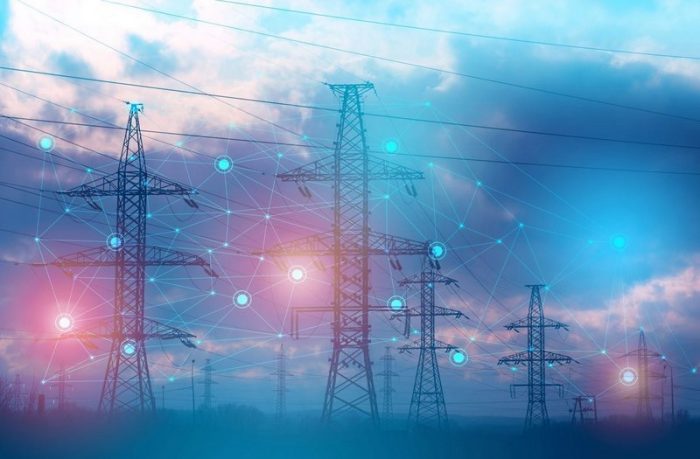
Residential solar and battery provider Sunrun has announced the expansion of its California-based distributed power plant, which will support the Golden State’s grid with up to 425 MW of capacity.
With the plant’s expansion, it becomes one of the largest flexible energy supply resources in the state of California, Sunrun says. Additionally, the move makes the plant the largest residential-focused distributed power plant in the U.S. at large.
“As electricity demand continues to grow, Sunrun’s power plants represent one of the fastest, most cost-effective tools available to grid operators,” says Sunrun CEO Mary Powell. “Our California power plant leverages the flexible energy capacity sitting in tens of thousands of homes across California and is dispatched closest to where the energy is being consumed, putting downward pressure on prices and infrastructure needs.”
The Californian distributed power plant has enrolled more than 80,000 households in this year alone, as of July 2026. The plant now represents more than 110,000 home batteries, compared to 16,000 Sunrun customers enrolled in 2024, all of whom are compensated for their participation.
The Sunrun plant is available to support California’s state grid every day from 4 p.m. to 9 p.m. throughout the summer and fall months, the company says. When demand was highest in May and June, the firm conducted “several” test dispatches with portions of its battery selections in both northern and southern California.
Planning for California’s energy future
In summer 2025, Sunrun demonstrated its power plant assets and their functionality at the utility-scale level. The company says that on July 29, 2025, Sunrun and other power aggregators were able to provide enough power to the grid to energize more than half of the city of San Francisco, at peak hours.
“From coast to coast, Sunrun’s distributed power plants are delivering at scale just as the grid demands more capacity due to the AI buildout, domestic manufacturing, increased electrification, and a lack of new supply coming online,” says Paul Dickson, Sunrun’s president and chief revenue officer. “As we continue to rapidly grow our distributed power plant portfolio year over year, Sunrun is providing immediate value and capacity to help meet peak demand and is tailoring programs to meet a variety of grid conditions and unique needs.”
During that dispatch run, Sunrun’s battery-based power plant supplied an average of more than 360 MW for two hours. That proof of concept helped lead to further expansion, allowing for the current capacity of 425 MW of peak dispatchable capacity.
The company is able to operate all of this without needing new land, transmission lines, or interconnection processes. Additionally, officials say that distributed power plants like this could continue to grow over time if demand continues to rise.


Comments are closed here.