SEIA reports record-breaking energy storage installation numbers in Q2 2026
A new Energy Storage Market Outlook report by the Solar Energy Industries Association (SEIA) and Benchmark Mineral Intelligence says the U.S. added a record-breaking 20 GWh of energy storage capacity in Q2 2026.
That number brings 2026’s total energy storage capacity installations to 30.8 GWh through the first half of the year, according to officials. The overall capacity outlook represents not only an 11% increase year-over-year from Q2 2025, but a massive 108.25% increase from Q1 2026 which, in itself, was a record-breaking quarter for energy storage.
This capacity jump comes at a crucial time for the energy sector, as demand for storage has begun to greatly outpace prior expectations.
“This record growth highlights that storage is a powerful reliability tool that strengthens our energy security, meets rising demand and puts downward pressure on electricity bills,” says SEIA president and CEO Tim Pawlenty.
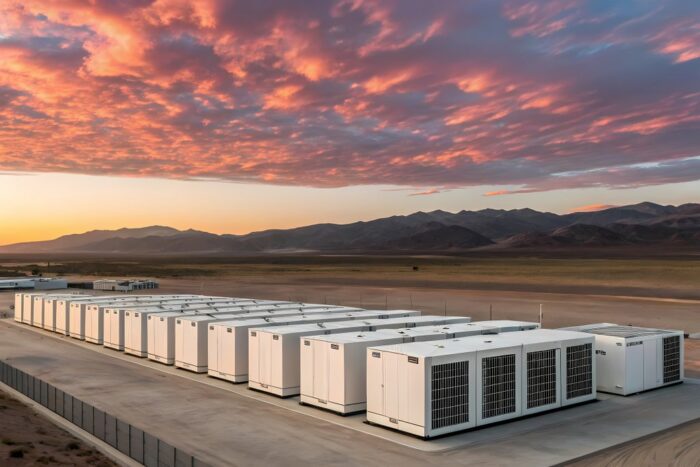
The report states that 18 GWh of the country’s new storage installations came from the utility-scale market. A large percentage of those 18 GWh came from seven gigawatt-scale projects across the U.S.
Under the first 18 months of the second Trump administration, utility-scale energy storage’s total capacity has nearly doubled, SEIA’s report says. Going from 88 GWh to 165 GWh in just a year and a half, the report says that grid operators, utilities, and energy buyers from across the country have turned to storage to help meet rising demand.
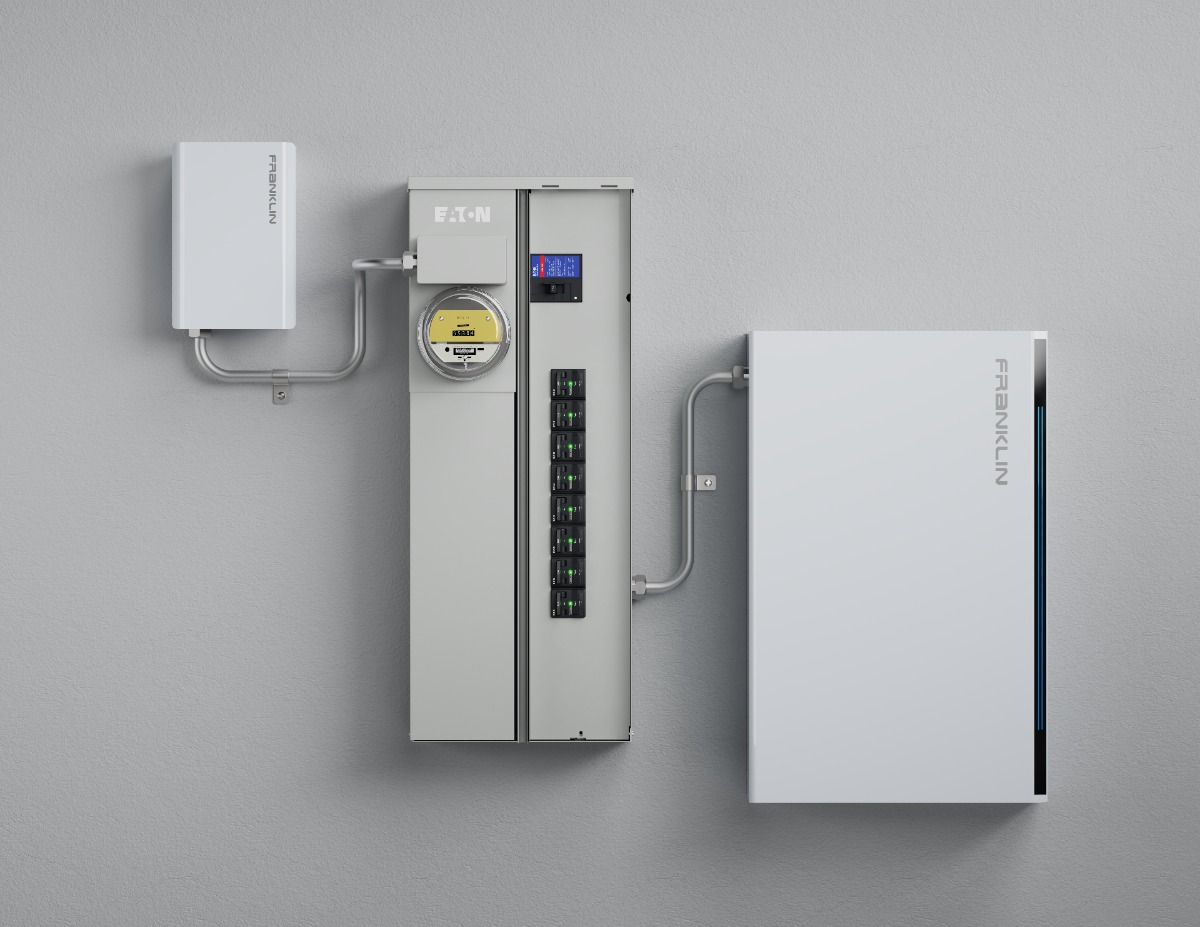
In the behind the meter space, commercial and industrial storage saw 1.8 GWh of new capacity installations, and home storage saw 657 MWh in installations, a 27% year-over-year decrease from Q2 2025.
Behind the record numbers
This quarter’s energy storage deployments tie into a larger trend in the energy sector: fulfilling the power needs of AI data centers.
Alongside favorable policy at the state level, data center energizations have caused the demand for reliable, dispatchable storage options to skyrocket. The report says that battery systems are uniquely equipped to manage rapid changes in data center demand, also supplying immediate, short-term backup.
“(Commercial and industrial) BESS demand continues to be shaped by the rapid expansion of data centers and the growing difficulty of securing sufficient grid capacity,” the report says. “As a result, ‘bring your own generation’ is becoming an increasingly important development theme, with developers combining BESS with on-site or co-located solar and wind generation to increase energy independence, manage intermittency, and reduce exposure to grid constraints.”
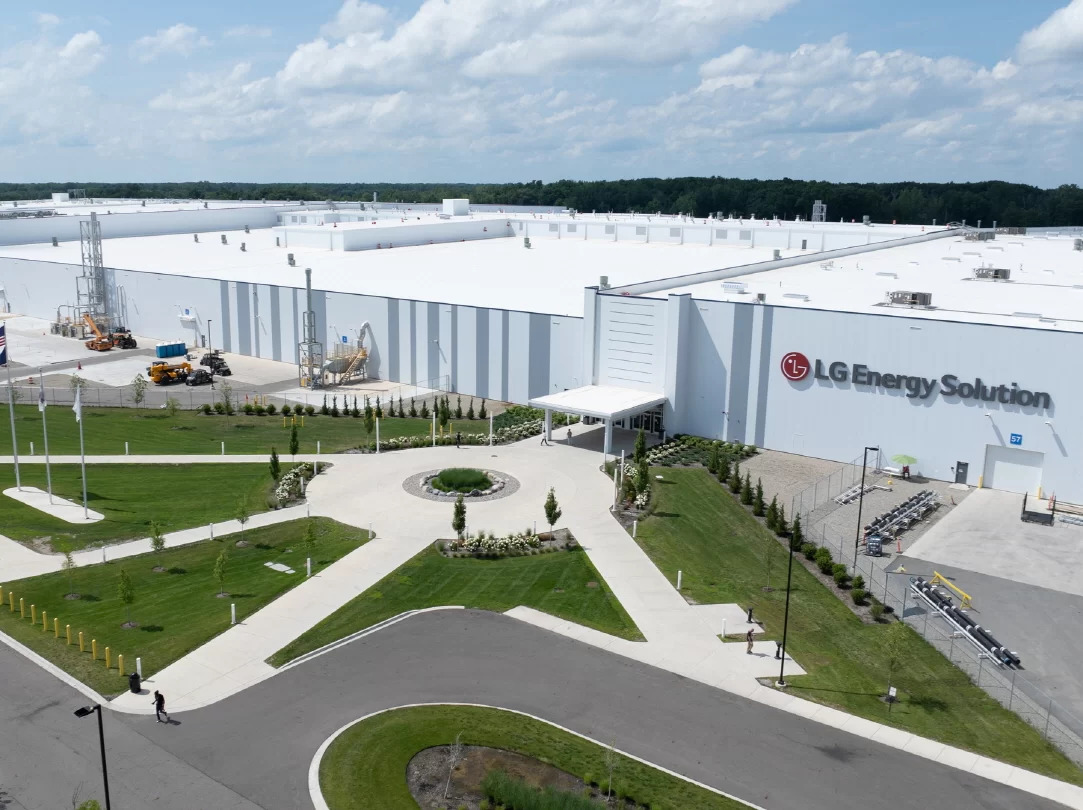
This data center-related demand could also partially explain the reason why residential BESS numbers have softened, while commercial and utility-scale installations have continued to rise. The report says the sector is showing no signs of slowing down, with the U.S.’s BESS manufacturing capacity has spiked to match, with planned capacity now exceeding 250 GWh.
In total, the report says the current outlook for the energy storage sector remains positive, especially with regard to utility-scale installations. The research team states the behind the meter sect of the market may continue to experience headwinds, however, as the second Trump administration’s policies regarding energy continue to change.
“Energy storage is no longer just a California and Texas story anymore,” says Shan Tomouk, BESS & Energy Lead at Benchmark Minerals. “We’re seeing strong pipeline growth in Arizona, Nevada, Oregon, Colorado and several other states.”
The full Q3 2026 Energy Storage Market Outlook report is available for purchase on SEIA’s website.