SPOC Energy deploys DC microgrid at University of Alabama
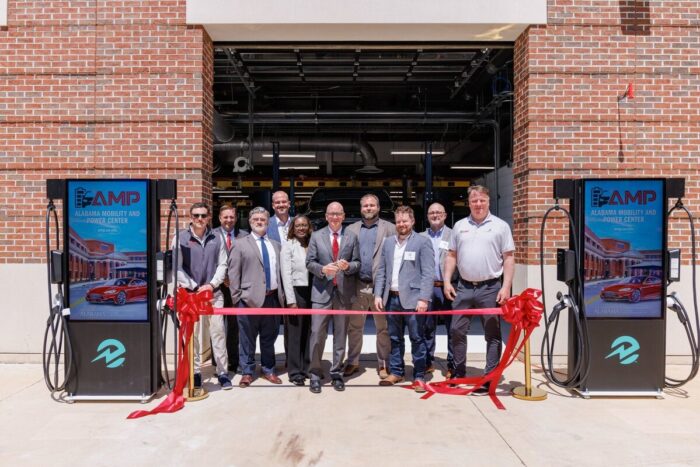
Power conversion system provider SPOC Energy and the University of Alabama have partnered for the deployment of a DC microgrid system at the school’s Alabama Mobility and Power (AMP) Center.
Called “next-generation” by SPOC officials, the megawatt-scale microgrid aims to strengthen the school’s energy innovation and electrification research efforts. The containerized power system will serve as a testing and development unit for other megawatt-scale microgrids in the U.S., functioning as an energy storage and power distribution asset.
Additionally, the microgrid is AI-ready, SPOC representatives say. The installation reflects the industry-wide shift toward DC-based power systems, which can offer improved energy efficiency for large-load projects like AI data centers and electrification at industrial scale.
“The future of electrification depends on scalable, resilient power architectures capable of supporting increasingly dynamic energy demands,” says Dr. Ben Gully, chief technologist of SPOC Energy. “This collaboration with The University of Alabama creates an environment where industry and academia can accelerate the development of next-generation DC power systems that will shape everything from AI infrastructure to grid modernization.”
Providing research insights
The new DC system has been expressly designed to support industry engagement with engineers, researchers, policymakers, and University of Alabama students. Featuring an “integrated digital experience,” the microgrid allows visitors and researchers to interact with the system.
“The AMP program is focused on accelerating innovation in mobility and power systems,” says Mike Malley, director of research at the AMP Center. “SPOC Energy’s technology provides a critical platform for testing, demonstration, and education, helping bridge the gap between advanced research and real-world deployment.”
The system’s wider interactive capabilities include “dynamic visualizations,” according to SPOC Energy officials, as well as educational content on the energy sector. The system aims to provide a deeper insight into DC-based power architecture, as well as new grid technologies and perhaps most crucially, energy storage integration.
The partnership with the University of Alabama also highlights SPOC’s commitment to supporting academic and research environments across the energy world, the company says. The firm also aims to advance high-efficiency energy infrastructure as data centers and distributed energy resources continue to take hold.
As of June 2026, SPOC has deployed more than 2,000 DC microgrid projects across five continents, as well as 80,000 systems installed around the globe.