Congress introduces U.S.’s first federal plug-in solar bill
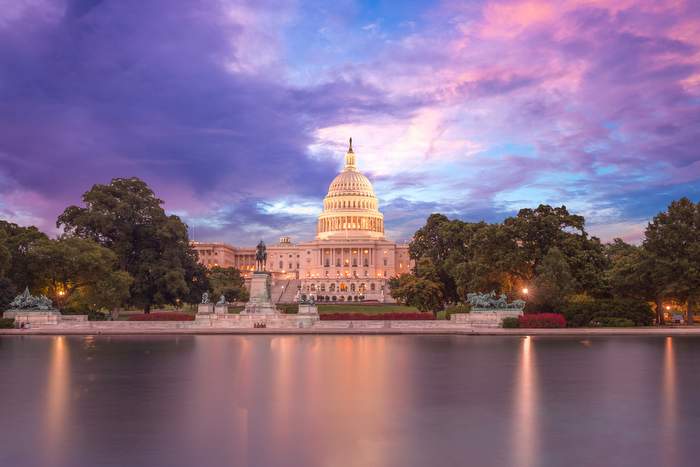
Balcony solar could be going nationwide in the U.S., thanks to a new bill introduced by Rep. Rob Menendez.
The New Jerseyan Democrat introduced H.R. 10851, dubbed the ‘Socket Full of Sunshine Act,’ is the first federal bill of its kind in the U.S. The legislation would help expand access to plug-in solar panels, also known as “balcony solar,” helping families across the country save on their utility bills with rebates up to $1,000.
Already widely used in central European countries like Germany, plug-in solar has taken the U.S. by storm since first passing in Utah in March 2025 thanks to its simplicity; users can plug the system into their wall and see bill savings nearly immediate. Alongside the nod to British pop artist Natasha Bedingfield’s top-five hit, ‘Pocketful of Sunshine,’ the bill’s title makes reference to plug-in solar’s now famous level of ease of use.
“Families are getting squeezed by electric bills that keep going up,” says Rep. Rob Menendez, the bill’s chief author. “Plug-in solar is a simple, affordable way to cut those bills, but outdated rules and unnecessary fees are standing in the way. The Socket Full of Sunshine Act clears those barriers so more families, including renters, can start saving.”
Menendez says the new legislation could cut electricity bills by “hundreds of dollars a year” for homeowners, and remove residential solar installation costs nearly entirely. Since electrical bills in New Jersey spiked nearly 17% in 2025, access to residential solar has become more crucial than ever around the U.S.
With typical balcony solar system costs ranging from $285 to $3,500, the value proposition is through the roof, according to Menendez.
Bringing power to the people
The new bill would make good on the promise of balcony solar, which promises “plug and play” usage for homeowners and renters. Some utilities and slate legislatives bodies have required these systems to submit to utility connection agreements which often apply to larger rooftop systems. The legislation would require those states to consider removing those hurdles.
In addition to cutting red tape, the bill would set a clear safety standard for plug-in solar devices, one of the major barriers to legislative measures that have failed at the state level. Additionally, the bill would create a $100 million grant program within the U.S. Department of Energy to fund state rebates on these systems for low- and moderate-income households.
“Representative Menendez has just taken a giant leap toward energy affordability for all Americans,” says Cora Stryker, co-founder and co-CEO of Bright Saver, a California-based nonprofit focusing on bringing balcony solar to the U.S. “10 states now have laws on the books to open the door to affordable solar that plugs into a standard outlet. Representative Menendez has just opened the door to energy equity in all 50 states, for renters and homeowners alike.”
The new bill would also create a label for each balcony solar product, showing consumers the savings they can expect on their electrical bills.
Xavier Boatright, deputy legislative director for clean energy and electrification at Sierra Club, says his organization is “grateful” for the new bills. Looking toward Menendez for leadership, the grassroots environmental nonprofit is fully behind the new legislation, he says.
“Plug-in solar can help households reduce energy bills, lower demand on the grid, and decrease dangerous emissions,” Boatwright says. “This bill would help renters and low- and moderate-income households access the benefits of clean energy.”