
Research forecasts uncertain future for Appalachian clean energy jobs
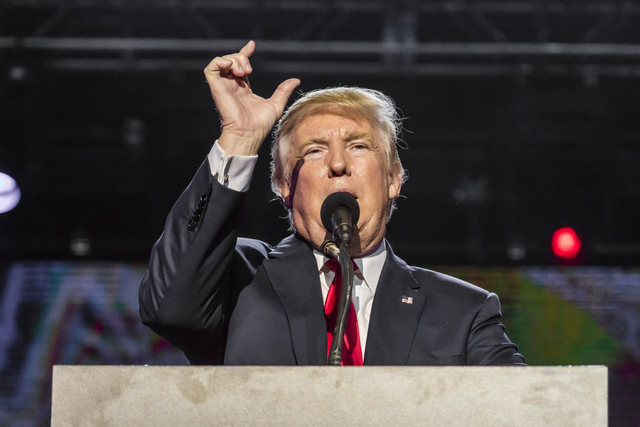
A Dec. 18 report by ReImagine Appalachia has found that more than 61,000 projected clean energy jobs throughout the Appalachian region are now at risk thanks to “dramatic policy shifts” by the second Trump administration.
The study, titled “Tracking the Appalachian Impacts: What’s on the Line as Federal Funding Flatlines,” revealed that clean energy job numbers have fallen off throughout Ohio, Pennsylvania, West Virginia, and Kentucky, following a prolonged period of historic growth. This information has threatened what the study calls “transformative economic opportunities” throughout the Appalachian region, according to research associate and report co-author Rike Rothenstein.
“The data tells a stark story,” says Rothenstein. “Clean energy manufacturing grew from nearly nothing in 2018 to substantial investments by 2023, with 72% going to battery manufacturing and 19% to zero-emissions vehicles. But the momentum has stopped. Federal clean energy investments waned dramatically as President Trump took office for his second term, and the proposed One Big Beautiful Bill Act threatens to dismantle remaining programs entirely.”
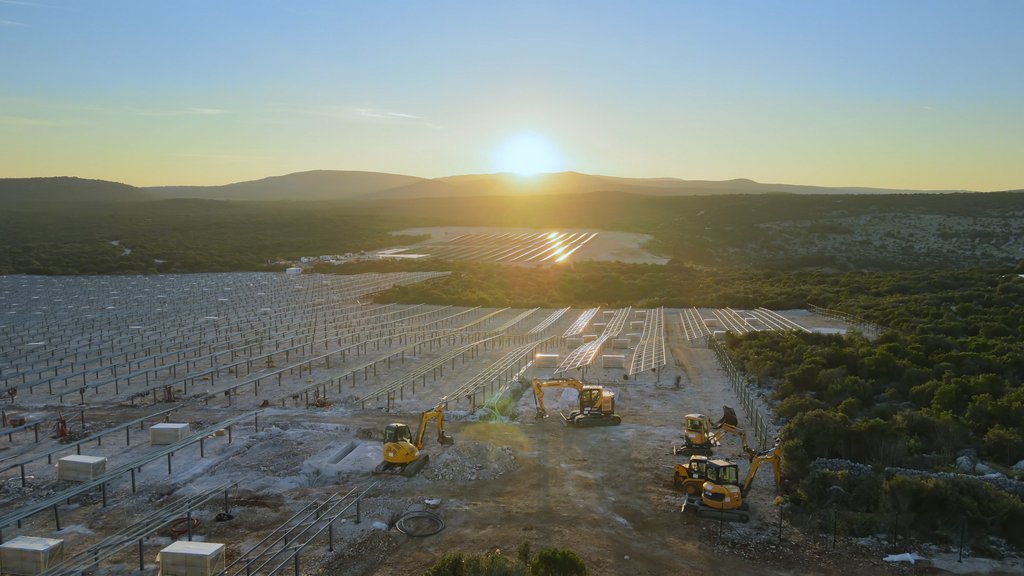
Specifically, Rothenstein cited a canceled furnace upgrade at a Cleveland-Cliffs steel plant in Middletown, Ohio, as well as a stalled solar project in Nicholas County, West Virginia as Appalachian casualties of President Trump’s energy policies.
By the numbers
The report found that at their peak in Q3 2024, clean energy investments sat at $4.7 billion for the quarter. That number dropped to $3.8 billion by Q1 2025, and continued flatlining throughout the second and third quarters of the year. Energy and industrial expenditures also dropped 65% from their peak, down to $445 million. But perhaps the clearest indication of policy changes between the Biden administration and the second Trump administration was the projection that 67% of projected clean energy jobs are now at risk throughout the region.
“What’s particularly devastating is that the majority of threatened jobs are in construction and manufacturing, exactly the kind of blue-collar work our communities need,” said report co-author and ReImagine Appalachia Program Director Dana Kuhnline. “These investments were targeting places like Appalachia that have been left behind. The chaotic efforts to dismantle them will have particularly devastating impacts here, raising residential energy prices, sabotaging job creation, and ceding America’s leadership in clean energy to foreign competitors.”
By 2035, the region could lose an estimated 71,000 clean energy jobs across the four-state area thanks in part to President Trump’s One Big Beautiful Bill Act (OBBBA)’s tax credit changes.
Federal funding for clean energy also decreased around the region, which reversed course from “historic climate legislation” over the past decade, according to the report’s co-authors.
Beyond Appalachia
The Appalachian region isn’t alone in its recent clean energy struggles, with national data from the U.S. Federal Reserve showing that private clean energy construction spending has plateaued at $240 billion as of mid-2024.
“In less than a year, we have seen the historic growth of the clean energy and manufacturing sectors drop to a flat line,” says the report. “Our region was set to create 92,282 jobs because of clean energy investments. Now those opportunities are vanishing before our eyes.”
The damage is also showing in federal agencies including the U.S. Department of Energy. The full scale of the impact on federal employees and federal agency infrastructure is “too massive to detail,” according to the report, but President Trump’s executive orders to slash tax credits for solar power projects are a chief reason for the damage.
“The agency has been key to U.S. global leadership in research, establishing programs to expand clean energy and manufacturing, and has also ensured that traditional energy communities, including Appalachia, have access to these new opportunities,” says the report. “All of this has been put at risk due to Trump administration actions.”
Trump also signed an executive order earlier this year which directed federal agencies to “stop approving permits for wind energy projects,” but a district court struck that particular order down in December 2025. Still, more than $23 billion in DOE-awarded clean energy project funding is on the line, putting a total of 330,000 jobs at risk, says the report.
“We documented $9.85 billion in energy and industry investments, $18.8 billion in clean energy manufacturing, and $22.3 billion in retail purchases of clean technologies since 2022,” says Diana Polson, report co-author. “These were transforming our communities, creating good-paying jobs that don’t require college degrees. Now we’re watching those opportunities slip away as federal funding flatlines.”


Comments are closed here.