
Clean energy supporter groups sue IRS over anti-solar, wind tax rules
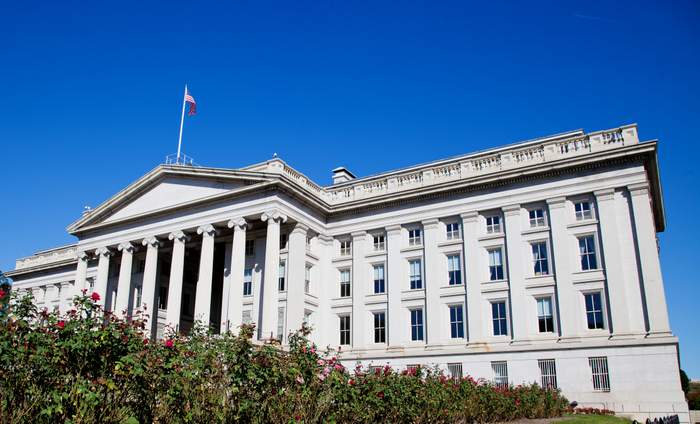
Several groups with strong interests in clean energy, led by the Oregon Environmental Council, have sued the IRS and Treasury Department over anti-solar and wind tax guidance which they say “illegally hurts renewable energy.”
Filed Dec. 18 in the U.S. District Court for the District of Columbia, the lawsuit includes seven plaintiffs from around the country. The plaintiff group has referred to the new tax rules, specifically the “Five Percent Safe Harbor” eligibility standard for solar and wind construction, as “restrictive and unprecedented.”
The new tax credit rule breaks from a decade-long precedent from the federal government, which previously established “that an energy project could qualify for a tax credit if it began construction on that project before certain statutory deadlines,” according to the plaintiff group. Earlier this year, President Trump signed an executive order to eliminate incentives for clean energy constructure, and in August, the IRS eliminated that 5% standard for projects over 1.5 MW.
“For more than a decade, Congress has established that an energy project could qualify for a tax credit if it began construction on that project before certain statutory deadlines,” says the plaintiff group. “This provided certainty to companies that their project would qualify for the tax benefits even if they faced unforeseen delays.”
The state of Oregon is dependent on renewable energy sources like wind and solar power, says Jana Gastellum, executive director of Oregon Environmental Council. These new rules, she adds, not only turn citizens toward polluting energy sources, but further raise utility prices.
“Oregon is counting on renewable energy. The Trump administration’s unfair decision to pull the rug out from under wind and solar projects will lock Oregon ratepayers into expensive, polluting energy sources,” says Gastellum. “Oregonians are already paying the price through devastating wildfires, toxic air pollution, and extreme weather. We can’t afford to go backwards – not when the climate crisis is worsening, and communities are suffering.”
Singling out solar and wind
Grace Henley, a tax attorney with the Natural Resources Defense Council, says the administration’s actions have started an anti-solar war on clean energy that is not only illogical, but illegal. As utility bills continue to rise, these tax laws are bad for clean energy and “horrible” for Americans feeling the financial stress.
“In Maryland, hundreds of thousands of households live paycheck to paycheck and struggle to pay their utility bills,” says Maryland People’s Counsel David Lapp. “Adding renewable energy lowers those bills and eliminates fuel cost price volatility. The Treasury Department’s guidance is a nonsensical attack on clean energy and an assault on affordable energy at a time when Marylanders can least afford it.”
The plaintiff group says these actions by both the IRS and President Trump are part of a group of “specific measured (the Trump administration) has taken to stop or delay wind or solar projects.”
“These new IRS rules have been a harsh blow. We have been counting on new solar projects to get electricity to those without it, help support essential services, and to create and provide jobs,” says Tim Nuvangyaoma, former Chairman of the Hopi Tribe. “The guidance has forced us to change our plans, and the Hopi Utilities Corporation is now racing to qualify for tax credits under the new guidelines. Getting the court to rectify this unjust action would give us the certainty we need.”
Furthermore, the plaintiffs state that other clean energy sources like nuclear, geothermal, and hydropower, have not been subject to these new restrictions set by the Trump administration. The group says that the administration’s actions are restricting much-needed clean energy generation in a time of dire need with energy bills skyrocketing.
“Undercutting solar and wind projects will drive up energy prices for average Americans and cities like San Francisco,” says San Francisco City Attorney David Chiu. “Clean energy developers need predictability and certainty to build projects that benefit us all. San Francisco is joining this coalition to fight for our clean energy future and keep energy costs affordable for consumers.”


Comments are closed here.