Aurora Solar releases fourth annual ‘Solar Snapshot’ report
San Francisco-based software company Aurora Solar has released its fourth annual Solar Snapshot report, surveying more than 1,000 American homeowners, 1,000 solar professionals, and millions of projects under the Aurora umbrella.
The numbers, while sporting a few bright sports, paints a bleak picture for the current state of the industry thanks to recent major policy changes.
Chris Hopper, the firm’s co-founder and executive chairman, says the past year was a tough test for solar, but the industry was able to power through as always. The new report “underscores how the government’s energy policy halted solar’s momentum at the moment when homeowners truly need it the most,” the company says.
“As policy incentives shifted and interest rates remained high, installers expanded financing options, leaned into solar-plus-storage offerings, and focused on delivering more transparent customer experiences,” says Hopper. “This year’s Aurora Solar Snapshot shows demand for solar remains strong, but the path to adoption is changing. The companies that win in this next chapter will be the ones that make solar simpler to buy and easier to understand, while building businesses that remain resilient even with policy changes.”
The report’s findings state that all groups surveyed are not only against the One Big Beautiful Bill Act (OBBBA) and the termination of the Investment Tax Credit, but that those two pieces of legislature have heavily wounded the solar industry just in time for the biggest energy crisis of the generation to take place.
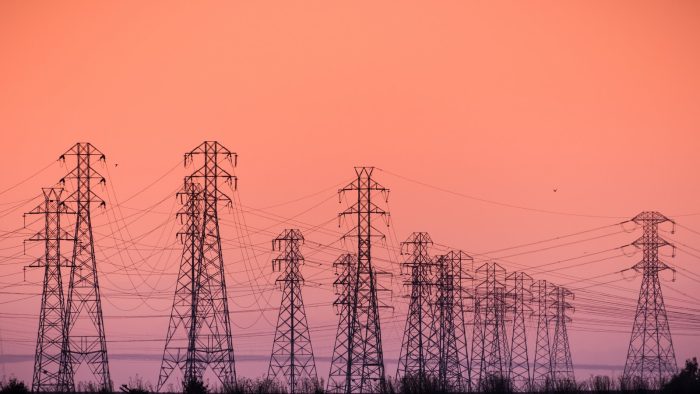
Harsh political and electrical impacts
According to Aurora Solar’s new report, 63% of solar installers expect that the OBBBA and ITC termination will “negatively impact business.” Additionally, 68% of homeowners already sporting solar panels say they benefitted from the IRA’s tax credits, and installers saw a “surge” in solar demand before the credit ended.
“Meanwhile, 71% of homeowners want solar panels, but 44% say it costs more than expected and nearly half don’t think they can afford them without the IRA’s tax credits,” Aurora representatives say. “With energy costs front and center as a result of the Iran war, now is the time to turn to solar, but slashed incentives don’t paint a great picture.”
The industry has entered a new phase of its life, the report says. No longer defined by incentives to “go green,” but now defined by affordability and trust in the face of lack of grid resilience.
“53% of homeowners agree the power grid is becoming less reliable, and storage is increasingly moving into the core offer: 31% of installers expect more than 75% of their 2026 projects to include battery storage,” the report states. “Among sales professionals, 56% say backup power and outage protection is the primary reason homeowners purchase batteries.”
Additionally, 71% of installers surveyed say they now offer EV charging equipment, suggesting that the new wave of successful solar companies will help clients along a “broader home electrification journey.” This, the report says, could be the key to getting the industry back on more solid ground.
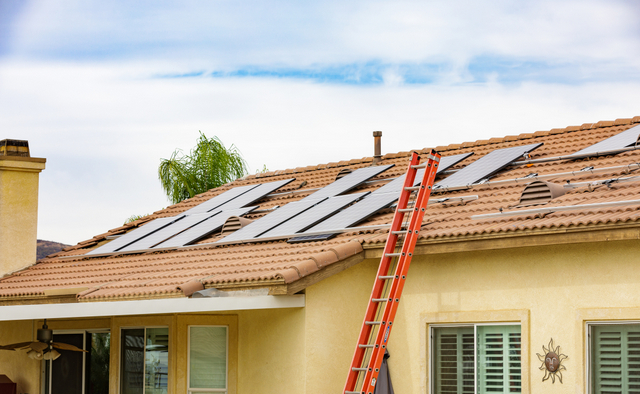
Getting solar back on track
Hopper’s earlier comments come with the caveat that despite the struggle, solar is a mature industry that can weather most things thrown at it from the realm of politics. The methods by which American homeowners can access solar are simply going to look different going forward.
The new report states that 55% of installers say third-party ownership (TPO) is now their most popular financing option for homeowners, outpacing both loans and straight cash. Further, about 65% of those same surveyed installers say they expect TPO to account for more than half of their entire sales volume in 2026.
“At the same time, 82% of installers say homeowners prioritize monthly payment amount above all other financing considerations, underscoring how affordability is reshaping the sales conversation.”
Artificial intelligence (AI) is also set to play a role in lowering costs for prospective solar owners. The report says 41% of solar shoppers would be more motivated to buy a system if solar companies could “quickly produce accurate system designs and costs, or confidently offer guaranteed or fixed-price quotes.”
“While economic hurdles like ‘Cost Shock’ remain the top barrier to entry, the data makes one thing clear: There is still demand for solar, but it takes hard work and new ways of thinking to translate it into real projects in today’s market,” the report says. “The companies that will lead the next decade of growth are embracing ‘the new shape of solar’ by focusing on flexible financing, soft cost reduction, automation + AI, and data transparency.”