
Beyond backup | Untapped potential of home batteries in grid services
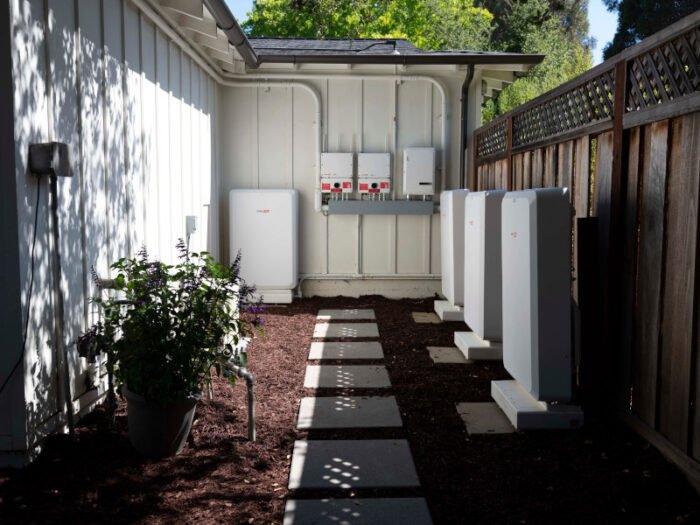
By Tammy Sinensky, SolarEdge | Backup power remains the primary selling point for home batteries in the U.S. market. In many regions, it’s the clearest value proposition: protection from outages, extreme weather, and an increasingly unreliable grid. But backup is only one piece of what modern home batteries can do. When batteries are positioned solely as emergency equipment, meaningful value is left untapped, weakening project economics and leaving systems idle for most of the year.
Utilities are starting to view residential batteries in a different light. Through grid services and Virtual Power Plant (VPP) programs, these systems can support peak demand, defer infrastructure upgrades, and add flexibility to a grid under growing strain. When designed and deployed intentionally, home batteries become active, revenue-generating assets for homeowners, installers, and utilities alike.
For contractors, this shift creates a clear opportunity. Understanding how batteries participate in grid services, and how to incorporate those programs into system design and sales conversations, is quickly becoming essential as storage adoption accelerates and margins tighten.
Backup sells the battery — but it’s not the whole story
From what I see, many installers are still hesitant to sell batteries at all. Many teams have been working in solar for 20 or 30 years, and solar has a familiar, straightforward pitch: Generate your own power, lower your bill, and achieve clear payback. Batteries are newer, for homeowners and installers alike, and they can feel more complicated to explain.
In the largest storage markets, such as California, Puerto Rico, Massachusetts (and increasingly Arizona and Texas), batteries are typically sold on three points. First is backup power, driven by vulnerable grids and planned shutoffs. Second is protection against rising rates. Electricity prices continue to rise, and even a 6–8% annual increase is significant for many households. Third is protection from poor export economics. In high-solar markets like California, homeowners may buy electricity at very high retail rates while exporting excess solar for a fraction of that value. When export credits drop, batteries preserve the economics of solar by enabling self-consumption.
There’s also a fourth motivator that’s less talked about but very real: energy independence. In Utah, for example, one of our partners sees battery attachment rates around 90%, even on cash deals. They’re not selling storage as a path to leaving the grid. They’re selling the ability to rely less on it, self-consuming more solar, riding through short outages, and having greater control over when and how grid power is used.
Backup is a legitimate selling point, especially in regions prone to outages. But “backup-only” is still an incomplete story.
Most batteries are built to work daily, not sit idle
I live in Denver, and over the past six years, I’ve experienced only a few hours of total outage. Of course, blackouts are real and highly disruptive; thousands of my fellow Coloradans experienced days of a planned shutoff this past December due to dry, windy weather. Fortunately for most of us, this is the exception, so why keep your system in backup? Your system can protect you from blackouts without sitting idle.
Modern systems include features that allow backup modes of operation to be used automatically in conjunction with other modes of operation without requiring homeowner intervention — set it and forget it so to speak:
- Weather Guard automatically prepares the battery in the event of a severe weather forecast.
- Automatic backup switching engages when the home disconnects from the grid.
- Custom backup reserves allow homeowners to decide how much capacity is always reserved for emergencies, while the rest can be used to optimize electric bills or earn incentives from programs.
The key takeaway for installers is simple: homeowners don’t have to choose between backup and value creation. They can have both.
What grid services really look like at the residential level
When discussing grid services for home batteries, the most common use case today is demand response. In these programs, homeowners are typically asked to export stored energy back to the grid for a few hours, often between 5 p.m. and 9 p.m., several dozen times during the summer. That’s when people get home, plug in their EV, run the AC, and start cooking dinner, just as solar production is declining. Demand rises while generation drops, and batteries help bridge that gap. SolarEdge receives the request to dispatch the enrolled systems and instantly, automatically sends the grid services events to the devices. The homeowner doesn’t have to lift a finger to maximize their rewards.
Outside of those short event windows, homeowners usually retain complete flexibility. They can prioritize backup, optimize energy harvest for bill savings, or self-consume solar. Installers don’t need to master every advanced grid service to explain this well. What matters is the customer experience: predictability, control, and minimal disruption to daily life. Grid services events are automated and managed in the background, with no action required from the homeowner. The system responds on their behalf, preserving backup settings and normal usage while delivering value to the grid.

Biggest missed opportunity: High-value programs in “backup markets”
One of the clearest examples of batteries being underutilized is evident in what I refer to as “backup markets,” places where homeowners purchase batteries, leave them fully charged, and rarely use them. Massachusetts is a prime example.
Massachusetts also offers one of the most attractive grid services programs in the country through ConnectedSolutions. That program can pay roughly $225–$275 per kW per year, which often translates to $700 or more per battery annually, frequently guaranteed for five years. Over that period, homeowners can earn $3,500 or more, which can represent a meaningful share of the battery investment.
What makes this especially striking is that the program runs in the summer, when Massachusetts homeowners are typically not worried about storm-related outages. Leaving a battery untouched all season “just in case” means walking away from real, predictable value. In these cases, system owners have an untapped revenue stream sitting in their homes ready to be put to work.
Addressing the biggest homeowner concern: control
When homeowners hear “grid services,” the most common fear is loss of control. They worry that someone else is controlling their system or “taking their power.” Customers may have participated in an AC switch program from the early days of demand response and recall long, uncomfortable, evenings sweltering away in their homes. They may have even felt this pain with a “free” thermostat from the utility, that changed the temperature of the home to reduce the demand on the grid.
When responding to these concerns about enrolling in a VPP, installers should be clear and transparent about how participation works, what control the homeowner retains, and how compensation is handled. In many programs, homeowners can opt-out of events. No one is taking anything for free; they’re being paid for a valuable service. Installers should clearly explain upfront how often events occur, what triggers them, how compensation works, and what choices the homeowner has regarding their participation. These topics are expanded on in the next section, which outlines practical talking points installers can use to confidently introduce grid services, set expectations, and enable more batteries on more projects.
What installers should do now
If I had to offer one piece of advice, it would be this: don’t be afraid to talk about VPPs. Often, the conversation never starts because sales teams worry about confusing homeowners. Confidence is learnable, and there are resources available to support simple, kitchen-table explanations.
Installers can start by familiarizing themselves with local programs and incentives, understanding common rate structures (especially time-of-use and EV rates), and including grid services options directly in proposals. Utilities, ISOs, and manufacturers like SolarEdge already provide program documentation, training materials, and market guidance to support this work, and installers don’t have to navigate it alone. We’re reaching a point where if Installer A includes VPP participation and Installer B doesn’t, customers will ask why. Compared to everything else involved in a solar-plus-storage project, enrolling a customer in a VPP is often a relatively small additional step, but one with an outsized impact on long-term customer value.
Home batteries will always be sold, in part, for backup. That won’t change. But batteries can do far more than keep the lights on. Installers who understand that, communicate it clearly, and guide homeowners through VPP enrollment. By participating in VPPs, they can unlock new value streams, build stronger customer relationships, and future-proof their storage businesses as the grid increasingly runs on participation.
Tammy Sinensky is senior manager, grid services product – North America at SolarEdge.

Comments are closed here.