
New Jersey updating solar, storage interconnection rules

The New Jersey Board of Public Utilities (BPU) has created new guidelines for the streamlining of solar and energy storage interconnection into the state electrical grid.
The ruling marks “the most substantive updates in more than a decade to New Jersey’s interconnection rules,” according to officials from the Interstate Renewable Energy Council (IREC). In addition to streamlining renewable energy interconnection for the state, the decision increases customer ability to reduce energy cost through leveraging tax credits.
The new guidelines come at a perfect time, says David Golembeski, senior program manager at IREC, as the Garden State grapples with rising utility bills.
“With its new, modernized interconnection rules, New Jersey now ranks in the top ten in the nation on DER interconnection policy, according to IREC’s Freeing the Grid scorecard criteria,” Golembeski says. “These rules provide NJ residents, businesses, and solar developers with a faster and easier pathway to install distributed clean energy projects.
“These improvements come at a pivotal moment as federal tax credits are phasing out, since interconnection delays can threaten customers’ ability to meet tax credit eligibility deadlines.”
Data and analytics firm Wood Mackenzie has ranked New Jersey seventh in the U.S. for residential, commercial, and community solar capacity to be built by 2030, IREC adds. In 2018, former Governor Phil Murphy laid out plans for the state to operate on 100% renewable energy by 2050.
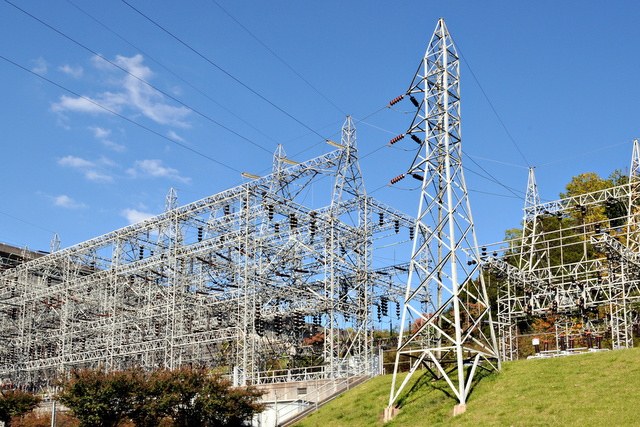
Significant interconnection rule changes
Along with streamlining utility review processes and adding new criteria for renewable energy projects in New Jersey, the new ruling introduces language to “clarifies requirements for evaluating the impact of battery energy storage systems on the grid.” The state has also adopted provisions to allow for flexible energy interconnection to avoid grid upgrades which cost both money and time.
“Even though it required a bit more work, it is important that the BPU took the time to ensure its revisions captured the latest interconnection innovations,” says Sky Stanfield, a partner at San Francisco-based law firm Shute, Mihaly, and Weinberger. “This extra effort will meaningfully improve the efficiency and costs of the interconnection process, particularly for energy storage projects.”
Stanfield also served as lead regulatory counsel for IREC throughout this process, the council adds.
The new changes also reflect the tight tax credit deadlines approaching for New Jerseyan utility customers. Larger projects for state businesses and community solar subscribers must meet either start of construction requirements by July 4 of this year, or construction completion requirements by Dec. 31, 2027.
The new rules set out by the BPU are set to “significantly improve” New Jersey’s energy interconnection processes. Still, IREC representatives have urged the board to continue to prioritize areas of improvement for the state’s utility codes.
“IREC encourages the BPU to also consider updating the interconnection rules on a more frequent basis,” Stanfield says. “Clean energy technologies are evolving much faster than the regulatory process is moving in New Jersey. States that are not able to adapt their processes accordingly will lose out on the innovations and cost savings that they can enable.”



Buna ziua. Absolut gratuit, puteti obtine urmatoarele chiar de azi, dar nu mai tarziu de 15 Martie:
Trebuie doar sa vreti. Nu trebuie sa faceti nimic complex. Ba chiar mai mult de atat, facem noi totul pentru dumneavoastra daca vreti.
– Acces la o baza de date cu peste 4 milioane de clienti din europa, care (peste 600.000 din Romania), care obisnuiesc sa plaseze comenzi false, sa faca programari false, sa comande si sa refuze livrarea
au care fac scandaluri, reclamatii, amenintari, cu scopul de a obtine produse sau servicii gratis.
– Un creier virtual, care invata singur despre produsele/serviciile dumneavoastra si care este conectat la un Agent Virtual, care sta pe site-ul dumneavoastra si abordeaza vizitatorii, pentru a-i convinge sa cumpere ce vindeti dumneavoastra.
Acest agent va creste semnificativ vanzarile.
– O aplicatie pe care vizitatorii/clientii site-ului dumneavoastra, o pot instala cu un singur click pe telefonul sau laptopul lor, pentru a va putea accesa mai rapid.
Acest lucru va ajuta ca acesti clienti sa nu mai ajunga pe google, expusi reclamelor competitorilor.
Lucru care pe termen lung, poate creste rata de retentie a clientilor si de 10 ori.
DA! toate acestea GRATIS!
Va inregistrati inainte de 15 Martie prin site-ul agenticlogic.shop si timp de doua saptamani, folositi toate aceste 3 sisteme GRATIS, fara nicio obligatie!
Nu platiti nimic in avans, nu inregistrati carduri de credit. Doar va bucurati de ele.
Dupa ce v-ati convins ca aceste sisteme va aduc mii de euro in plus lunar si va reduc pierderi de sute sau mii de euro, platiti doar 50 de euro pe luna.
Exact! Doar 50 de euro pe luna, bani pe care ii platiti din profitul pe care vi-l genereaza aceste sisteme.
Dureaza doar 10 minute sa le implementati si daca nu va descurcati, dupa ce v-ati inregistrat, ne puteti contacta prin whatsapp si va ajutam noi.
Nu aveti nevoie de cunostinte tehnice. Facem noi tot ce trebuie, ca sa va aducem bani lunar, bani din care sa ne platiti si noua doar 50 de euro pe luna.
la asa oferta, chiar ca nu aveti nicio scuza sa spuneti “nu”.