
ComEd files new grid plan, speeding up solar interconnection
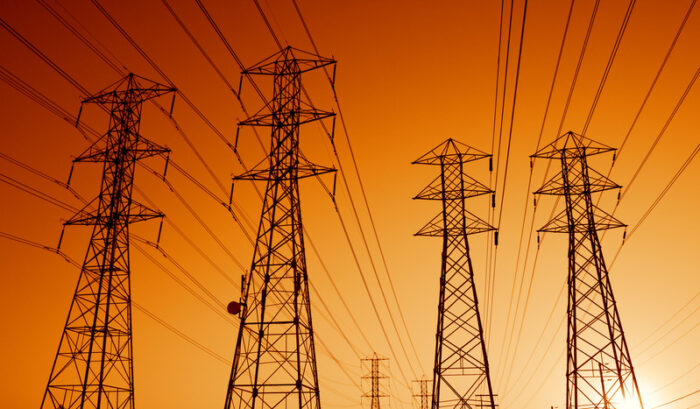
Illinoisan utility company Commonwealth Edison (ComEd) has presented a second multi-year grid plan (MYGP) to the Illinois Commerce Commission (ICC), outlining future “critical investments” to the Land of Lincoln’s electrical grid for 2028-2031.
Developed with both stakeholder and customer feedback in mind, the new plan now marches in lock step with the state’s renewable energy goals. The company plans to make “cost-effective investments in infrastructure that simplify and speed up interconnection of solar and wind” to the wider ComEd system’s energy grid, on top of the system’s already-connected 1.4 GW of distributed solar generation.
“A reliable, affordable and modern power grid is the foundation of economic growth and quality of life in northern Illinois,” says ComEd president and CEO Gil Quiniones. “ComEd’s new grid plan makes critical investments to ensure the grid continues to deliver reliable energy, affordable rates for customers and advances the state’s clean energy and economic development priorities.”
ComEd representatives also outlined its Distributed Energy Resource Management System (DERMS) in the new plan. The software is among the first of its kind in the U.S., officials say, and will provide forecasting, monitoring, control, and integration of renewable energy technology. These new investments aim to support the state’s movement toward the fabled ‘Green Transition’ in both residential and solar spaces, through battery storage, heat pumps, and other renewable energy technology.
“ComEd’s investments in advanced grid management and communications, digital controls and new analytic systems will help meet growing customer demand and Illinois’ clean energy goals,” says the utility company.
The new technology relies heavily on a multi-directional grid, managing both input and output from a variety of power sources like virtual power plants. To make sure the company’s system is ready, ComEd also outlined other new technology it plans to implement in the MYGP as part of its long-term strategy, which tackles large load projects, growing electrification, and severe weather over the next decade.
ComEd’s other planned features
Outside of the renewable energy space, ComEd’s plan outlines the implementation of advanced energy technology to support the state’s “nation-leading reliability performance.” The firm already boasts a fiber-based communications program, and the plan details how ComEd will leverage artificial intelligence to prepare for severe weather situations around the state.
“ComEd arrived at this plan by assessing critical grid needs and balancing them with the imperative of maintaining customer affordability,” company officials say. “ComEd evaluates affordability with a goal of ensuring that customers’ total home energy costs do not exceed 3% of the average household income for non-electric space heat customers or 6% for space heat customers – a standard approved by the ICC.”
Benchmarking from the Edison Electric Institute currently list ComEd’s electric rates “among the most competitive in the nation for 2025,” according to ComEd. To keep those rates low, the company’s long-term plan includes additional investments, including new substations, to meet rising electrical demands. These investments would increase customer bills by about $2.50 to $3.00 across the state beginning in 2028, officials estimate.
The ICC has yet to render a decision on the new plan, and will only do so following an 11-month open review process.

Comments are closed here.