
Wood Mackenzie reports positive U.S. energy storage numbers for Q3 2025
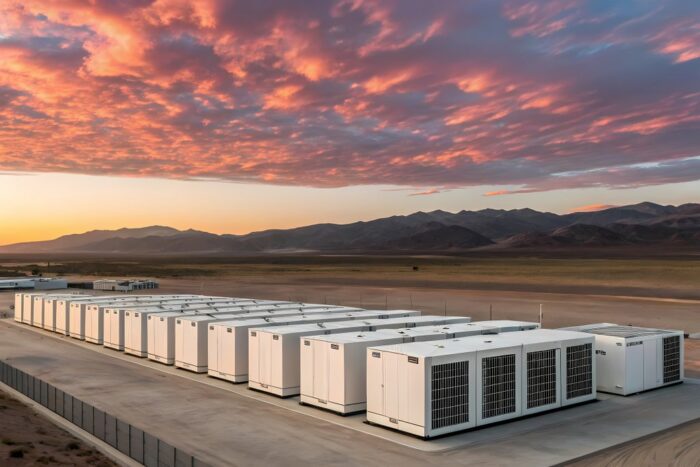
The U.S. energy storage market experienced continued growth in this year’s third quarter, with the nation installing 5.3 GW in Q3, according to a Dec. 16 report by data research firm Wood Mackenzie and the American Clean Power Association (ACP).
That number shows a 31% year-over-year increase from Q3 2024, pushing 2025’s year-to-date installation numbers past 2024’s total figures, after just nine months. The figure also matches Q3’s recent increase in solar capacity in U.S., with 11.7 GW installed nationwide throughout the quarter.
“Strong growth in the U.S. energy storage market reflects a simple reality: meeting rising demand and keeping the grid reliable increasingly requires storage,” says John Hensley, ACPA’s Senior Vice President of Markets and Policy Analysis. “These installations deliver the flexible, reliable grid support America needs today, boosting reliability and keeping power bills in check.”
Experiencing growth across segments
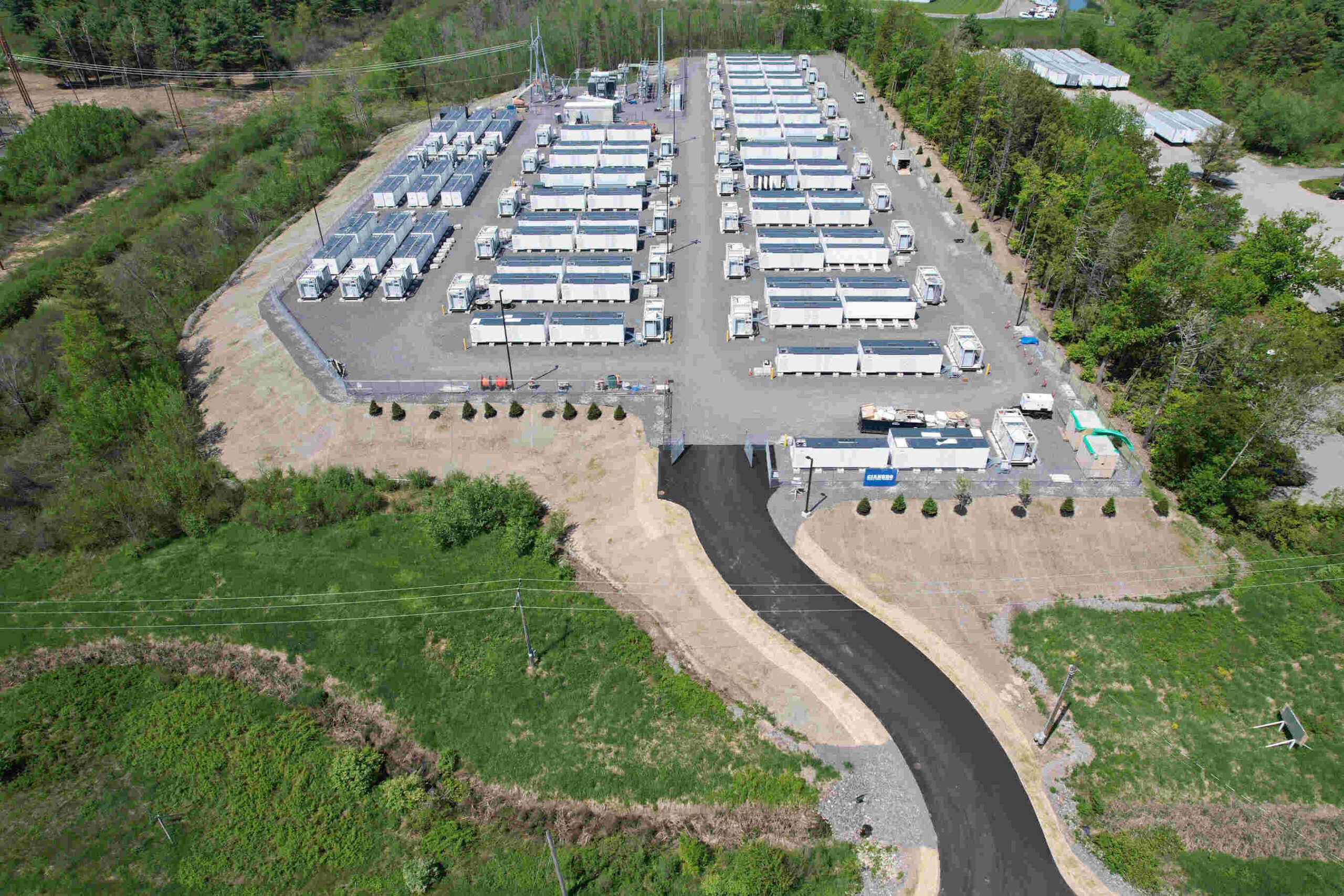
Q3 2025’s growth was largely driven by 4.6 GW installed by the utility-scale storage sector of the market, according to Wood Mackenzie researchers. 82% of the total installed capacity was concentrated in Texas and California, but Wisconsin also emerged as a player to watch, with 210 MW installed over Q2 and Q3 thanks to the state’s first large-scale storage projects.
The residential storage market has also seen growth for the past six quarters, according to the Wood Mackenzie report. For Q3 2025, the residential market installed 647 MW, marking a 70% increase over Q3 2024.
The Wood Mackenzie noted that both North Carolina and Arizona set quarterly records for residential energy storage installations in Q3 2025. Outside of the 50 states, Puerto Rico led in quarter-over-quarter residential growth thanks to resilience demand across the islands.
Despite encouraging signs in the utility-scale and residential sectors, Q3’s installation numbers took a slight dip in the Community, Commercial and Industrial (CCI) segment. Down 8% year-over-year, the segment accounted for 33 MW in Q3, with California leading the way at 54% of total installation. Driven by state rebate and community storage programs, Massachusetts and Illinois were also key players in the CCI sector.
Policy changes, adaptation, and the future of the market
Q3’s mostly positive numbers come despite a 6% decline in the market from Q2 2025, which saw record highs in energy storage installation. However, Wood Mackenzie researchers say the market still has plenty of forward momentum, “despite evolving supply chains and ongoing policy uncertainty” like the One Big Beautiful Bill Act (OBBBA).
Still, state level governments are stepping up their installation game to push the energy storage market closer, says Allison Weis, Wood Mackenzie’s Global Head of Storage.
“We’re seeing states step up with innovative programs, grids increasingly reliant on storage for reliability, and costs at record lows,” says Weis. “The industry’s ability to navigate these challenges and maintain a 15% increase in our five-year utility forecast since the passage of the (OBBBA) demonstrates that storage has evolved from an emerging technology to an essential grid resource.”
Domestic battery manufacturing is continuing to ramp up around the U.S. to help ease tariff tensions, but Wood Mackenzie still expects market contraction over the next two years thanks to “near-term supply chain adjustments and constraints.” After a projected 11% dip in 2026 and an 8% contraction in 2027, the market is still poised for a strong recovery in 2028 and 2029, researchers say, projecting a large uptick in domestic manufacturing capacity.
Thanks to the Section 25D tax credit expiration after Dec. 31, researchers also expect a record-setting Q4 this year for the residential energy storage market. The team says that despite an expected roadblock in the coming years, the energy storage market still operates on a solid base.
“Despite new federal policies and tariffs, the market fundamentals remain exceptionally strong,” says Allison Feeney, a research analyst at Wood Mackenzie. “Continued access to the ITC, cost-competitive domestic cell manufacturing, merchant revenue potential, state policy and load growth are driving our increased five-year outlook.”


Comments are closed here.