Pile height verification ensures accuracy on terrain-following solar tracker sites
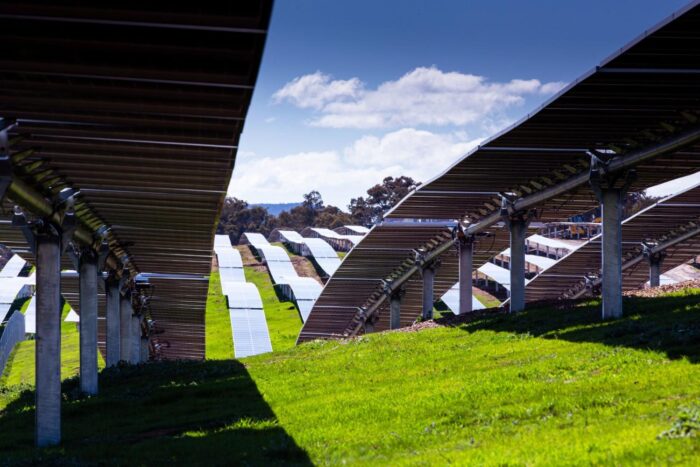
By Kelsey Misbrener, Ampacity | The introduction of terrain-following trackers changed the game for ground-mounted solar projects.
By adapting to natural site contours, terrain-following trackers eliminate or reduce the need for grading and shorten civil schedules. These trackers have also expanded access to land previously considered unusable for solar projects.
While they simplify what happens before steel hits the ground, terrain-following trackers introduce new complexities during mechanical construction that shouldn’t be underestimated. Accurate terrain data is more essential than ever to keep solar construction projects moving as planned.
Hidden site challenges
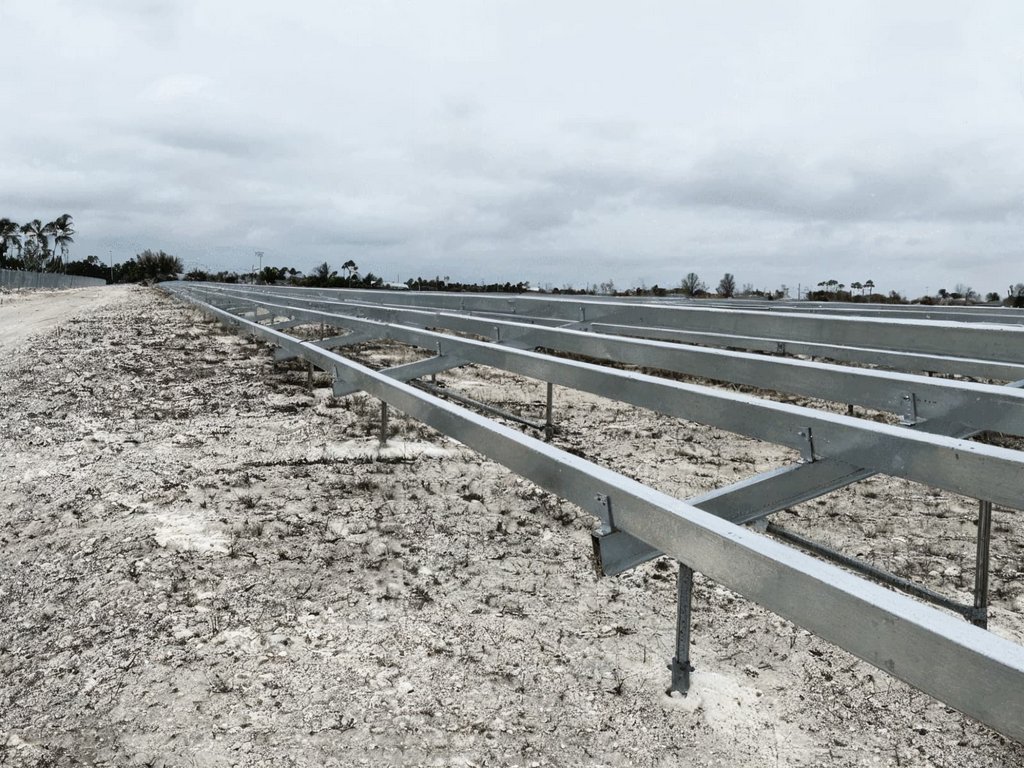
Terrain-following designs require incredibly accurate topographic information. Small discrepancies in elevation, slope or transition points can turn into major issues down the road. Incorrect solar pile post lengths and embed depths could require field rework or redesign, row-to-row clearance problems could create shading risk or tracker interference, and unexpected foundation issues could cause pile refusals.
These are not theoretical risks. They manifest as RFIs, change orders, schedule issues and margin erosion. Preconstruction diligence can ensure the topographic data matches the actual site conditions when mechanical construction begins.
The solution
Gathering and analyzing terrain data using drones and survey software doesn’t take a lot of time, but it is essential for confirming key design parameters that make the difference between clean execution and in-field troubleshooting. Verifying pile heights, in particular, ensures that the correct pile lengths and reveal windows (amount of pile visible above-ground) are planned for installation day.
These services can be useful even with graded sites. Grading is an imperfect science, and machines can only get so precise when following a civil plan. Assessing the ground post-grade offers peace of mind and the best possible pile-driving accuracy.
But pile height verification is all the more crucial with terrain-following systems.
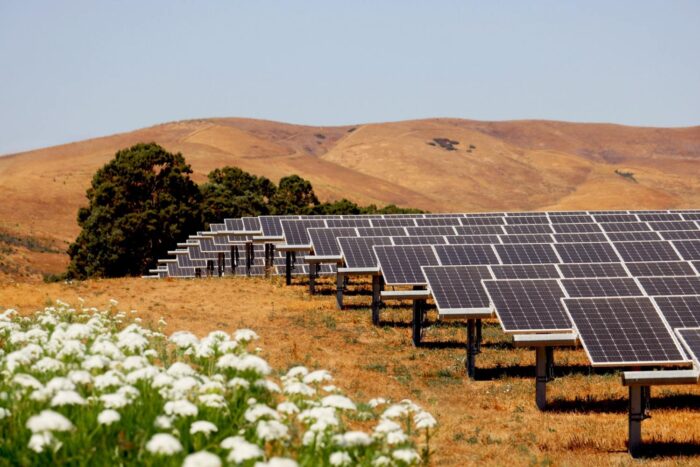
“For a lot of our sites, and especially the terrain-following ones, we need precise X&Y locations, especially if there is a steep slope, because the slope will change the position of where the pile needs to go,” said Hannah Chou, manager of topography analysis at Ampacity.
Before this advanced technology was available, installers had to make adjustments to pile-driving on the fly if grading deviated from the civil plan—an extremely difficult task to get right every time.
“You’d have to be almost a magician to do that consistently. It’s very, very difficult to do,” said Daniel Jencka, customer experience manager at Ampacity. “We’re taking something that’s difficult or maybe impossible to do well in the field, and we’re giving them the elevations so that they don’t have to think about it.”
Smarter pile driving
Pile driving is becoming increasingly sophisticated with GPS-enabled machines automating the process. These machines work if they are programmed with highly accurate data.
If any major discrepancies are uncovered during the pile height verification process, project managers can work to adjust material orders or spot grades to avoid facing delays on installation day.
Terrain-following trackers are an incredible tool for efficient site development, but they shift risk from the grading stage to the quality of topographic data. Solar developers who rely on outdated or unverified topographic information expose themselves to avoidable cost overruns, schedule delays and field engineering challenges.
The best way to avoid surprises in mechanical construction is to confirm your topographical data is correct and current before putting steel in the ground. With the survey technologies available in the marketplace today, it’s never been easier to gather the data that you need for faster, more predictable builds.
Kelsey Misbrener is content marketing manager at Ampacity.