Lightstar Renewables expands community energy portfolio in Illinois
Boston-based independent power producer Lightstar Renewables has expanded its community solar and storage initiative in Illinois, planning to add to its ranks in community solar, agrivoltaic solar, and battery storage systems.
Lightstar will develop all of these projects on tracts of private land across the Land of Lincoln, officials say. This process guides landowners through an origination-to-operation process meant to preserve land ownership, deliver long-term lease income, and keep the land in productive use.
Perhaps most prominently, the company’s Illinois portfolio is partly anchored by Fulton County’s US Highway 136 Solar Project. The 2.75 MWac will supply renewable energy directly to the local distribution grid, meaning Lightstar’s generated power will stay in the immediate area and lower the community’s reliance on fossil fuels.
Senior development manager Kyle McAdam is Lightstar’s lead on the US Highway 136 project. The company says he and the team are working to ensure their firm’s mission of community stewardship remains at the forefront.
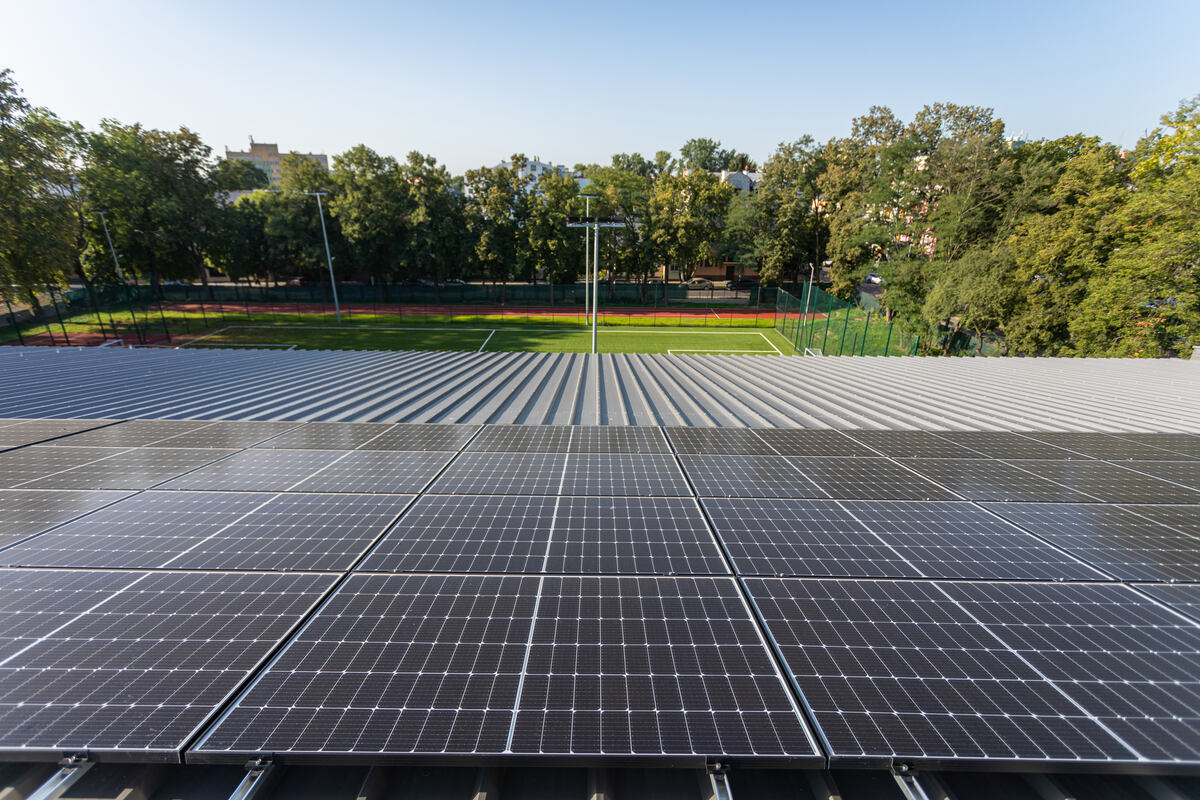
“We believe that clean energy development must work hand-in-hand with the local community,” McAdam says. “By protecting the land, engaging with incredible students right here in Fulton County, and now investing directly in the (VIT School District’s) athletic field, we ensure this project leaves a positive, lasting mark on the region for decades to come.”
Building momentum
Illinois has become a hot market for renewable energy, especially across the American Midwest. Driven by the Climate and Equitable Jobs Act (CEJA) and its target of fully renewable energy generation by 2050, the state has instituted a number of programs to accelerate development of solar and other energy sources.
For landowners across the state, Lightstar’s value proposition echoes that trend of ease of use.
“Property owners retain full ownership, sign lease terms of 20 or more years, and receive fixed, weather-independent lease income,” the company says. “In Illinois, that means flexible, low-impact development options across community solar and standalone battery energy storage systems (BESS), with end-to-end EPC management so landowners retain ownership, continue compatible land uses where possible, and collect fixed lease income without taking on any operational burden.
“That model has helped build a national pipeline of more than 1,000 MW across 15 states.”
The company says that beyond the obviously environmental benefits, the Fulton County facility will strengthen the local economy. The project aims to provide new jobs and earn consistent tax revenue through the county, which will go toward community service and infrastructure.