Soft costs, get lost | Keeping residential storage installations profitable
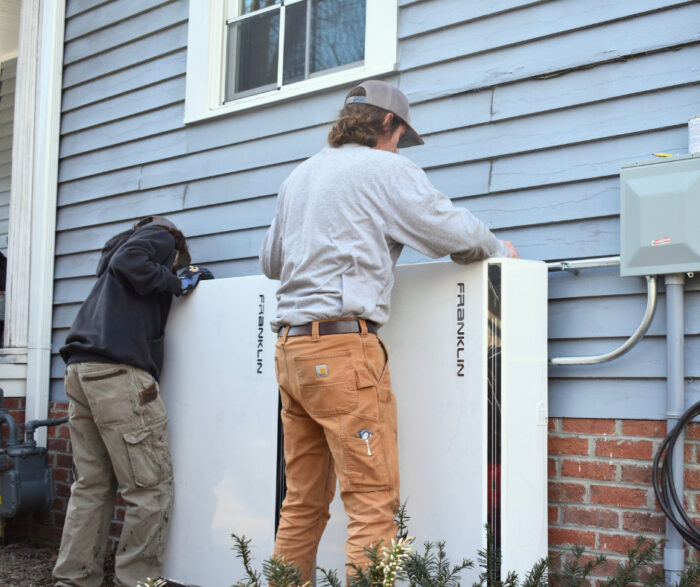
By Ke Bi | Battery storage has moved from being an optional extra to becoming the standard in solar installations. In 2025, about 45% of new U.S. residential solar installations include energy storage, and in states such as California, attachment rates already exceed 70%. What was once a niche upsell is now a core part of the residential solar business, according to EnergySage Intel: Solar & Storage Marketplace Report (20th edition), published April 29, 2025.
As storage attachment rates rise, installation discipline is becoming increasingly important. Batteries can raise total contract value, but without tighter processes, they can reduce profit margins just as quickly.
In the U.S. residential market, soft costs now account for 58% of the total cost of a solar and energy storage installation, with equipment making up well over one-third, according to Documenting 15 Years of Reductions in U.S. Solar Photovoltaic System Costs, published in 2025 by the U.S. Department of Energy’s National Renewable Energy Laboratory (NREL). Non-hardware expenses, led by labor and overhead, increase as systems become more complex across planning, design, installation, and commissioning.

Where storage installation profits get eaten
Margin pressure often appears after the contract is signed, as the project moves through design, procurement, permitting, installation, and sometimes even beyond.
Project design, engineering & system planning | Energy storage systems (ESS) add significant front-end work. Load calculations, backup strategies, equipment placement, and code documentation all take more time than solar alone. Without standardized designs, hours can quickly add up. Using clear system rules and repeatable designs is the first step in keeping soft costs under control.
Permitting complexity is a major soft cost driver. In 2022, the DOE-funded SolarAPP+ platform was launched to accelerate permitting. This automated permit processing tool provides local governments with a standardized portal to receive and process permit applications. It integrates with existing jurisdictional permitting systems and performs automated safety and code compliance checks, enabling instant permit approvals for participating governments. For solar developers, SolarAPP+ offers a streamlined application that includes all required specifications and delivers greater transparency into permitting timelines.
Supply chain & logistics | Procurement choices can make or break a project’s bottom line. When U.S.-made batteries arrive in days rather than weeks, installers can stick to their schedules and avoid last-minute design changes. Long lead times, on the other hand, create gaps. Permits get delayed, crews sit idle, and inspections are pushed back. That overhead adds up quickly.
Quality from suppliers is just as critical as speed. Installers rely on manufacturers who offer clear documentation, dependable commissioning support, and batteries that perform reliably. Problems like unclear code guidance, firmware glitches, or poor tech support may not appear on the day of install, but they surface later as callbacks and failed inspections. These issues chip away at profit long after the installation should be finished.
Permitting, inspection & interconnection | Adding storage increases paperwork, review cycles, and regulatory scrutiny. Fire codes, electrical standards, and utility interconnection rules create extra steps that many PV crews are not used to handling. Every additional review comment or inspection visit adds labor, delays payment, and extends project timelines. Preparing thorough permit packages and utility-ready documentation is essential to keeping projects on track.
Advancements in load control technology are making smaller systems practical for more homes. In the past, some cautious inspectors required battery systems to be sized like backup generators under the National Electric Code (NEC) Article 702.4. This often meant installers sized a larger battery inverter capacity than the home actually needed, causing projects to fail after customer acquisition. With more affordable smart panel and breaker options now available, project hardware budgets are coming down. This means more projects fit within a homeowner’s budget and move forward to installation.
Installation labor & fieldwork | Installing storage systems requires higher-skill labor, more electrical work, and additional time for commissioning and testing. Software setup and backup verification are essential, but without clear workflows, they can lead to extra truck rolls and longer site visits. Labor efficiency is often where storage installation profit margins are won or lost.
The newest generation of top-tier ESS hardware has optimized labor efficiency, removing time-consuming steps while maintaining standard workflow. Training is critical for any new hardware, but even the best training programs don’t always trickle down to the majority of field technicians. The hardware must be easy to install and be engineered to eliminate safety risks.
These steps determine whether storage integrates smoothly into a business or creates strain. Installers who understand where soft costs arise and manage them at every stage of the project are the ones who turn energy storage into a reliable and profitable part of their business.

Six ways installers can control soft costs and boost profit
1) Focus on reliability as insurance over long-term service costs. In years past, wide recalls of PV & ESS equipment had stymied the income of large national installers and driven some to bankruptcy.
Vet your ESS provider’s reliability carefully to avoid post-install service and warranty issues. What is the manufacturer’s RMA rate? How many systems are in their installed fleet? This upfront due diligence is key to protecting your business.
Every avoided callback saves on labor hours and protects profits. Systems that operate consistently cut service calls, reduce downtime, and lower service support costs. Predictable performance means installers spend less time on follow-up work, and homeowners get more value from backup power and grid programs.
Remote diagnostics and web-based monitoring give installers a clear view of system status and performance without rolling a truck. These tools trim labor hours and solve problems faster across your residential portfolio.
2) Simple systems reduce labor costs. Systems with fewer components tend to fail less often. They also cost less to install and maintain. When manufacturers combine major parts into a smaller number of physical units, crews work more efficiently and move through installations faster.
Simpler systems also mean less equipment exposed to heat, cold, and weather. With fewer boxes, wire connections, and conduit runs, installers spend less time on wiring and face fewer chances for mistakes. Fewer parts also mean fewer things that can go wrong later, which helps reduce callbacks and follow-up service visits.
All-in-one systems simplify troubleshooting by removing the need to contact multiple vendors. They provide a single point of contact for technical support, making it easier for installers to resolve issues quickly.
3) Simpler designs save installation time. Choose storage systems that work with flexible solar input and straightforward layouts. Systems that let installers design without workarounds or special configurations reduce hours and lower the chance of revisions. Simpler designs translate into fewer on-roof components, resulting in fewer wiring errors. Some manufacturers also offer design review services to help increase the speed of AHJ approval.

4) Faster installs cut costs and keep projects on track. Look for systems built for efficient field installation with clear mounting, wiring, and commissioning workflows. Quick installs lower labor costs and help crews stick to their schedules. Systems that reduce on-site configuration and troubleshooting also limit the need for return visits. Faster installations increase revenue by freeing crews to take on more projects and keep work moving.
5) Commissioning should be fast and simple. Screen storage systems for built-in energy management and automated controls. Systems that manage load, backup behavior, and power transitions without extensive manual setup shorten commissioning time and reduce the need for installer involvement after installation. This lowers labor costs and helps projects close faster.
Some manufacturers now offer AI-assisted commissioning tools that allow installers to bring solar and battery systems online in about 15 minutes instead of handling two separate systems.
6) Scalable designs improve profitability. Storage systems that let you add capacity without redoing the design or adding extra control hardware will give your customer more options. Scalable systems make it easier to install for larger homes or higher backup needs while keeping installation simple and protecting profit margins.
Bottom line
The right storage system keeps installations simple and crews productive. Systems that are easy to design, quick to install, and reliable reduce labor, prevent delays, and limit callbacks. Installers stay on schedule, protect profit margins, and give homeowners confidence that their system will perform as expected.
Ke Bi is COO of FranklinWH. He set up and oversees the company’s operations in the United States.