
S-5! establishes ESG policy, modern slavery statement

Metal roof attachment manufacturer S-5! has unveiled a plan to establish a formal Environmental, Social and Governance (ESG) policy, as well as a company-wide Modern Slavery Statement.
Dan Belling, director of special projects at S-5!, says the company currently offsets about 80% of its total energy consumption at its Iowa Park, Texas and Colorado Springs manufacturing facilities. In 2026, the company plans to expand its solar generation capabilities at the Texas plant to further its quest to energy neutrality.
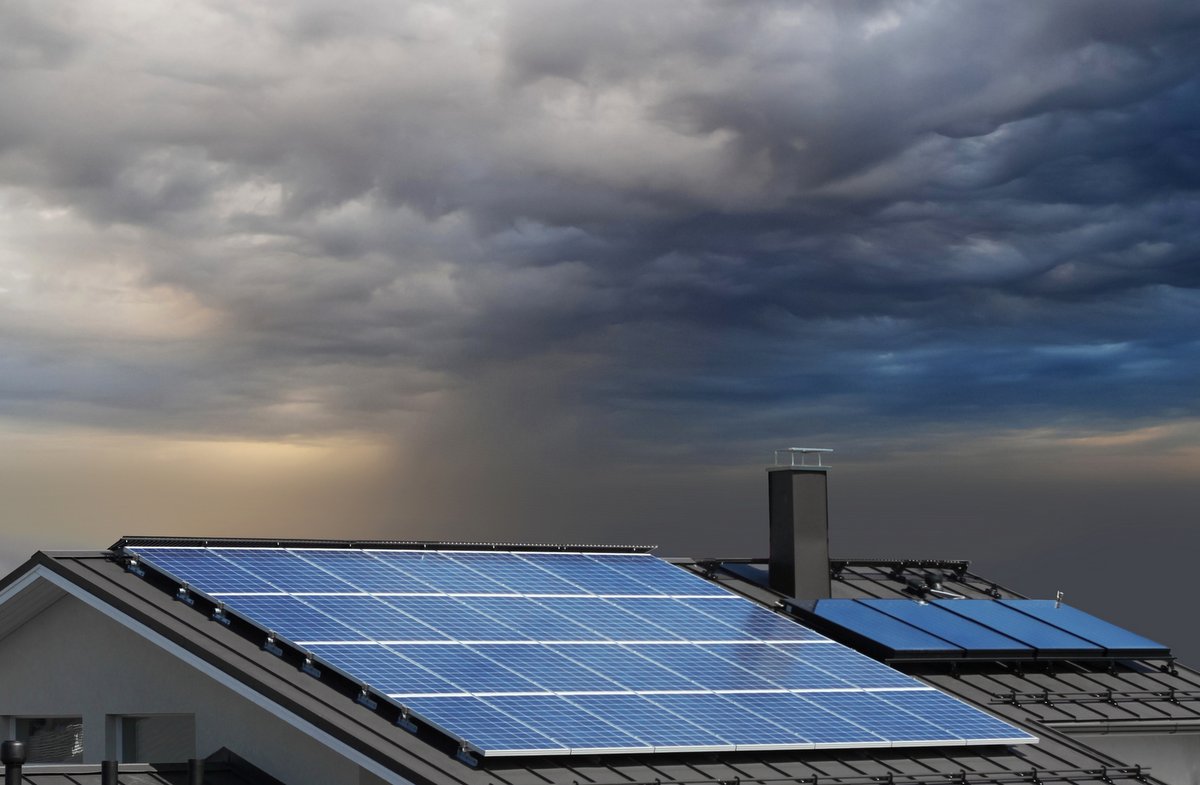
S-5! also uses its own rooftops to test product innovations, “supporting continuous improvement and real-world performance.”
“The company is deeply involved in the solar industry and plays a small but critical role in solar projects,” says Belling. “We are committed to ‘walking the walk’ as a good corporate citizen—operating in a way that aligns with the values we support through our products.”
The new policy outlines S-5!’s future in the realm of sustainability and environmental stewardship, with the company striving to make its operations more energy efficient. The company plans to use highly recyclable aluminum for manufacturing, as well as water conservation methods and solar energy.
“Sustainability has to show up in how we operate, not just in what we sell,” says Belling. “We’re committed to responsible manufacturing, continuous innovation and doing business the right way.”

Eliminating modern slavery
The company’s wider ESG framework also includes a zero-tolerance Modern Slavery Statement. The newly established policy hopes to end forced labor and human trafficking by outlining supplier engagement and assessment efforts to “promote ethical standards” throughout both the organization and the supply chain.
“In 2024, S-5! began responding to RFQs and RFPs from large, publicly held global companies and pursued opportunities to support those organizations in meeting their sustainability and governance goals,” says Belling. “As ESG expectations expanded internationally, S-5! also responded to emerging social governance requirements, including modern slavery compliance demands that began in the Australian market, by formalizing processes and procedures to strengthen oversight and accountability.”
The new ESG policy not only wide-reaching environmental stewardship methods by the company, but a commitment to “employee and customer care” by S-5!. Bureau Veritas has also audited the firm on 250 separate checkpoints, which has led to quarterly reviews to ensure compliance to constantly evolving ESG standards.
Now, S-5! is working on developing an Environmental Product Declaration (EPD) to assist in “lifecycle assessment” and quantifying comparable carbon footprint metrics. These metrics have become some of the most rigorous benchmarks for corporate sustainability across the market.
“Achieving an EPD requires a comprehensive Life Cycle Assessment (LCA) that evaluates a product’s environmental impact across its entire life cycle,” says Belling. “This includes energy and resource use from manufacturing and transportation to packaging and end-of-life considerations, while also accounting for benefits such as recycling savings. The results are then independently audited and verified to ensure transparency and credibility.”

Comments are closed here.