Tigo Energy demoing new solar software at Intersolar 2026
Energy software company Tigo Energy will show off its latest developments at this year’s Intersolar flagship show Feb. 18-20, in the form of real-time solar installation and commissioning software, the company says.
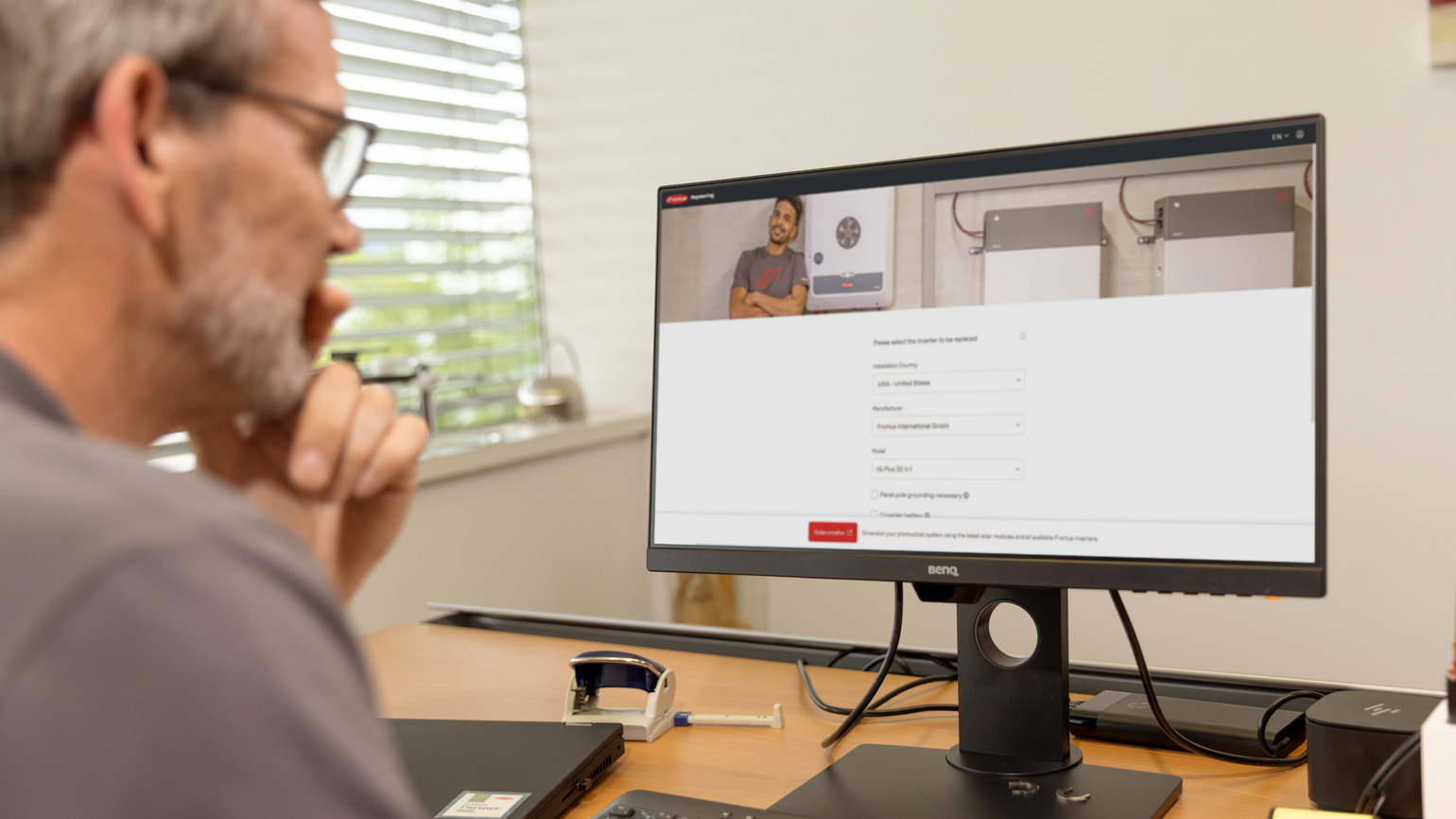
Tigo officials say the company will preview commissioning software designed for speed, ease of use, confidence, and fewer service calls. The software is integrated into the firm’s Tigo EI app, and includes “real-time status reporting about all necessary processes and work steps.”
The new system includes more than 20 core enhancements to Tigo’s existing installation and commissioning process, each designed to help solar installers become more efficient. Archie Roboostoff, vice president of software at Tigo Energy, says the new changes have “fundamentally innovated” the firm’s in-app workflow and feedback channels.
“As a result of the growth of our installer base, we have been able to accelerate and broaden what we learn out in the field to optimize everything from the speed of installation to verifying that everything is working as expected, right on the customer site,” Roboostoff says. “By giving Tigo installers this level of insight, they can be more efficient, deliver higher quality the first time around, and operate independently of tactical support.
“As a company, we are grateful to the many outstanding solar companies that trust and deploy Tigo products, and share our Total Quality vision.”
Storage takes top priority
Energy storage systems (ESS) are no longer just nice to have as a solar owner. As the American energy grid continues to strain under the weight of rising electrical demand, storage has become a necessity for residential, commercial, and utility-scale solar operators. Data analysis company Wood Mackenzie reports that from 2020 to 2024, storage attachment rates quadrupled—and then, a record 5.3 GW were installed in just Q3 2025 alone, according to the American Clean Power Association.
Tigo’s new software installation and commissioning system is designed with that in mind, officials say.
“Similarly, home energy systems now frequently include components such as critical-load or whole-home battery systems, advanced energy management, EV charging, generator backup, and heat pumps,” the comapny says. “The new system, built into the Tigo EI Installer App, is designed to accelerate installation and commissioning by removing uncertainty, outlining system elements before installation, and guiding installers through all work steps.”
The app has also been tailored to “drastically reduce” the need for on-site reworks, and saves installers up to a half an hour per installation with pictures of the system layout.
The software has garnered early positive reviews from industry veterans like Joshua Kozub, who has worked in the solar space since 2005. He highlighted the service’s ability to operate without internet connection, saying “the digital magic all happens locally.”
“Tigo has gone from the traditional installation process with paper installation guides to software that actually works with you every step of the way, mirroring exactly how a system comes together in the field, and this sets Tigo completely apart from its competitors,” Kozub says. “We now not only get to see exactly when a certain step in the process is complete, but we also know that everything is working as it should be before moving on to the next step.”