Solect Energy releases commercial site readiness checklist
New England-based solar manufacturer Solect Energy has published a checklist to help commercial property owners assess their buildings for long-term solar investment.
Outlining “key physical and electrical characteristics,” the checklist works as a starting point for property owners, according to the company. Matt Shortsleeve, SVP of policy and marketing at Solect Energy, says that his company works with property owners to build a pathway to installing solar at their corporate sites.
“For commercial property owners, site readiness and timing are connected,” he says. “With the federal Investment Tax Credit sunsetting, projects that can move forward using safe-harbored equipment can preserve significantly more value. That makes early site evaluation a critical step for owners considering solar site leases or long-term energy investments.”
In addition to chiseling a pathway to commercial solar development and installation, Solect works with prospective commercial owners to conduct site reviews and align solar projects with asset and capital planning strategies.
Ideal commercial solar characteristics
The Solect checklist contains four different subsets of requirements for commercial property owners, including roofing, parking lot, ground site needs, and general site requirements. First and foremost, the property owner must be “willing and able” to enter a solar contract, and the property itself must have access to three-phase electric service, a common necessity for commercial-scale electrical systems.
“Criteria include available square footage, roof condition and remaining useful life, structural capacity, and long-term site control,” the company says.
“Solect works with property owners to conduct detailed site reviews, evaluate development pathways, and align solar projects with long-term asset and capital planning strategies.”
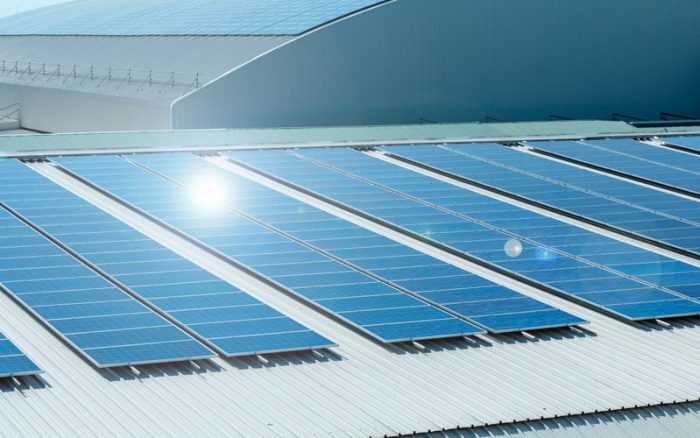
For roofing, owners must have at least 15,000 square feet of available area, as well as 20 years of useful life remaining and a valid warranty. Also, owners must show proof of sufficient structural capacity to support the additional weight of commercial solar panels—about 50 pounds each.
Optionally, the checklist also includes rules and requirements for energy storage systems (ESS), company officials say. ESS solutions are best suited to facilities with demand over 500 kW, time-of-use electric meters, and sufficient ground area, among other requirements.
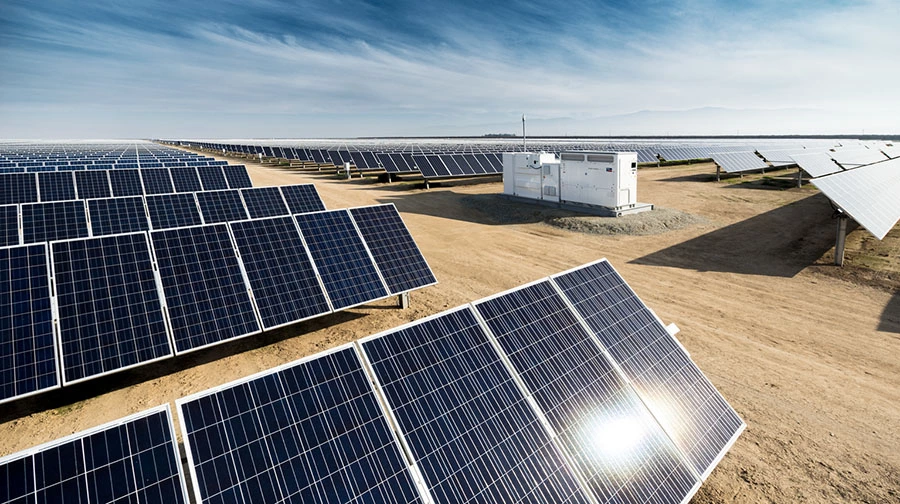
Parking lots must have 25,000 square feet of open surface area for solar alone, and likely more for ESS installation. Ground sites require at least 100,000 square feet of available area in land that is not forested or otherwise “of ecological importance.” Solect representatives note that previously developed sites and other brownfields could be good candidates for solar installations.