HelioVolta releases new report, warning of rapid shutdown device installation
A new report from HelioVolta has urged solar system owners and investors alike to reconsider rapid shutdown device (RSD) installations for both solar and energy storage projects.
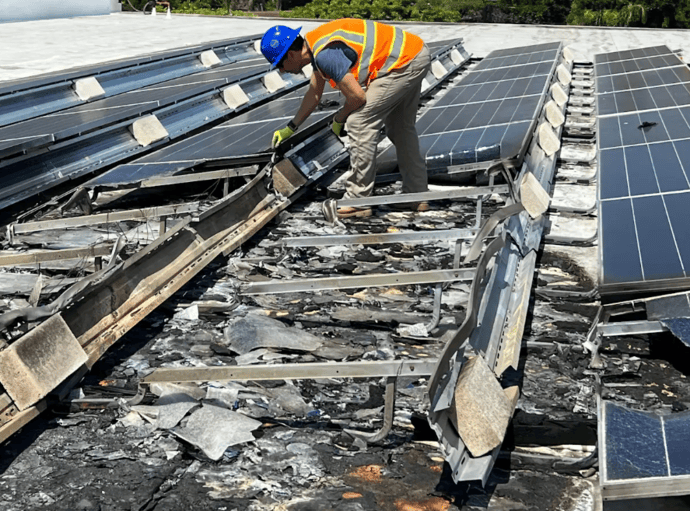
Data from the new report, titled “Unintended Consequences: Rapid Shutdown Devices and Safety in Commercial Rooftop Solar Systems,” links rapid shutdown devices to solar system safety risks. The data shows that RSDs have been linked to more than 74 high-risk reliability issues and thermal damage events since 2021.
“Our goal is not to promote a single technology pathway for PV systems,” says David Penalva, CEO of HelioVolta. “It is to help the industry build safer, more reliable systems that benefit everyone. It’s what every community deserves.”
Additionally, the Carlsbad, California-based field inspection and technical servicing firm says that “critical safety issues” are 66% more likely to happen in commercial rooftop solar systems when that system is equipped with an RSD.
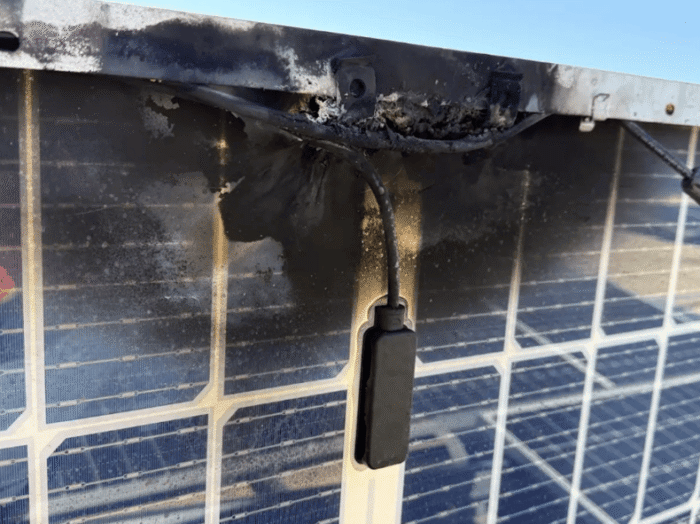
RSD report findings
The inner workings of an RSD are relatively simple, with the device working to reduce the voltage of solar modules to help meet safety requirements through the National Electrical Code (NEC). However, the devices hold no other additional value to solar systems, and the company has found that 21 rooftop fires since 2021 were caused by RSD failures.
“Faulty RSDs are operating on buildings across the U.S., unintentionally putting people at risk. As these devices age, worst-case scenario failures are more likely to occur,” adds James Nagel, HelioVolta’s CTO. “No one wants to acknowledge safety risks hidden in solar portfolios, but we can only eliminate the dangers of RSDs with transparent, informed technical discussions.”
In addition to those fires is, of course, the issue of critical failures, which these devices exacerbated by 66%. Solar systems with these devices are far more likely to contain critical issues than any systems without module-level power electric (MLPE) devices. Not only are those failures extremely dangerous, but they require immediate shutdown of the system as a whole, plus remediation, which can rack up costs for asset operators.
“RSDs are often deployed to meet rapid shutdown requirements in the National Electrical Code, which were implemented with the best of intentions to protect first responders,” says Ryan Mayfield, an expert on electrical codes and standards. “It’s important that codes and standards evolve with the industry to provide the best solutions for safe and reliable PV installations.”
Moving forward
For commercial entities that have yet to install solar systems with RSDs, the answer to this new information is simple: exclude RSDs and similar devices from the system itself, and build solar systems with other safety precautions. But for firms and installers already managing systems with RSDs, the report concedes that “options are limited,” largely thanks to insurance impacts and retrofitting costs.
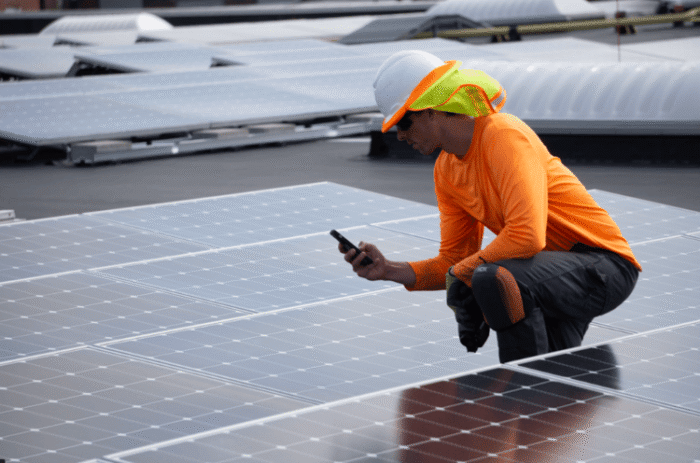
Still, HelioVolta officials suggest that asset owners and operators take “proactive O&M measures” for their systems. Specifically, the company says that annual visual and thermal inspections and remove electrical system monitoring could be a great help for companies looking for a solution. Additionally, owners may be able to convert their projects to UL 3741 for code compliance without the need for MLPE.
“Installing and maintaining safe PV systems is the best way for solar companies to protect first responders,” says Dennis O’Neil, assistant battalion chief (Ret.) of the California Department of Forestry and Fire Protection. “Failure-prone solar equipment puts firefighters at risk and is frankly unacceptable.”
Taking the new report’s data into account, HelioVolta has called on solar professionals with RSD-related concerns to submit input to the National Fire Protection Association (NFPA). The NEC is continuing its code development cycle, the company says, and reporting RSD failures and general safety incidents will help HelioVolta to support development of a consistent database across the U.S.