
UL Solutions debuts testing criteria for plug-in solar systems

UL Solutions has developed a testing and certification program for plug-in solar systems, according to officials from the American lab and testing company.
Located in the northern suburbs of Chicago, the company upholds testing standards for several industries, including automotive, chemical, and both non-renewable and renewable energy. Now, the firm says it hopes to establish “a clear, dedicated testing framework that will help provide a pathway for the safer adoption of this energy generation technology.”
That framework, now known as the UL 3700, defines construction, performance and labeling criteria for plug-in solar system manufacturers.
“Our new plug-in solar system certification program gives manufacturers and consumers the clarity they need to embrace plug-in solar systems with confidence,” says Ken Boyce, vice president of principal engineering, industrial testing, inspection and certification, at UL Solutions. “By defining how these systems must be built, evaluated for safety and safely installed, UL 3700 helps mitigate potential risks, and opens a path for more people to access resilient solar power.”
Also known as the “Outline of Investigation for Interactive Plug-In Photovoltaic Equipment and Systems,” the testing criteria also extends to balcony solar systems.
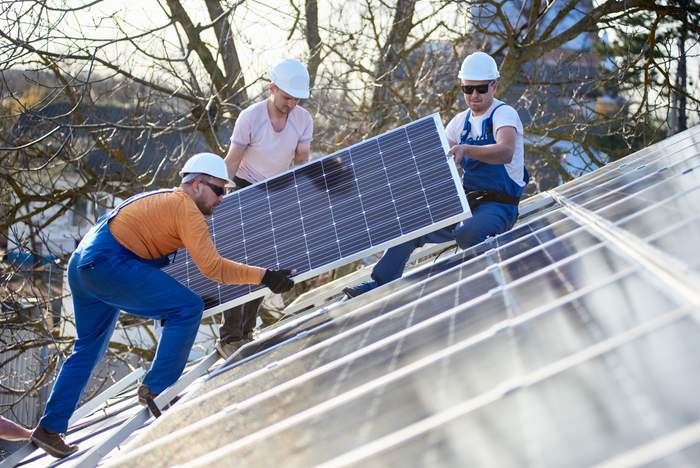
Solar testing standards inspiring policy
The company says that while “legacy” solar systems have been commonplace for years thanks to their convenience, that simplicity also brings a certain level of risk. The UL 3700 aims to diminish that as much as possible, and it seems legislators are taking notice.
Along with outlining safety standards for solar manufacturers, the new criteria addresses the risks associated with legacy plug-in systems. The criteria now require manufacturers to implement features which “mitigate accidental contact with hazardous electric parts, promote safe installation, protect against overloads and prevent electric current from flowing in the wrong direction.”
Interesting in the new criteria has also ramped up thanks to certain policy changes over the past year. In 2025, Utah became the first state to allow the use of up to 1.2 kW plug-in solar systems without utility approval. Other states, including New York, Pennsylvania, and Virginia, aren’t far behind.
Robert Stone, chief scientist and senior vice president of UL Solutions, says that UL 3700 can help support both legislative and regulatory efforts in the renewable energy space.
“UL 3700 marks a major step forward, helping remove regulatory uncertainty and making plug-in solar a potential choice for consumers across the U.S.,” says Stone. “By addressing key safety gaps that could slow adoption, we are helping to make plug-in solar a viable option that complements larger rooftop systems and supports a stronger, more reliable energy future.”

Comments are closed here.