Mass. Gov. Healey signs executive order to build 5 GW of energy storage by 2035
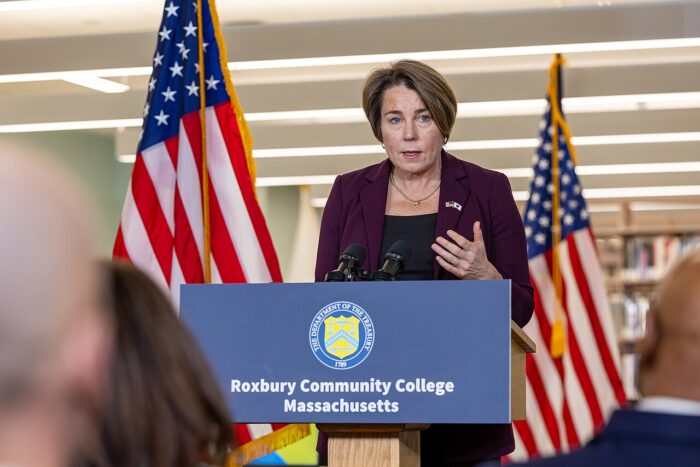
Massachusetts Gov. Maura Healey is taking steps to build more affordable and reliable energy in state, ordering the expansion of renewable energy and energy storage by 2035.
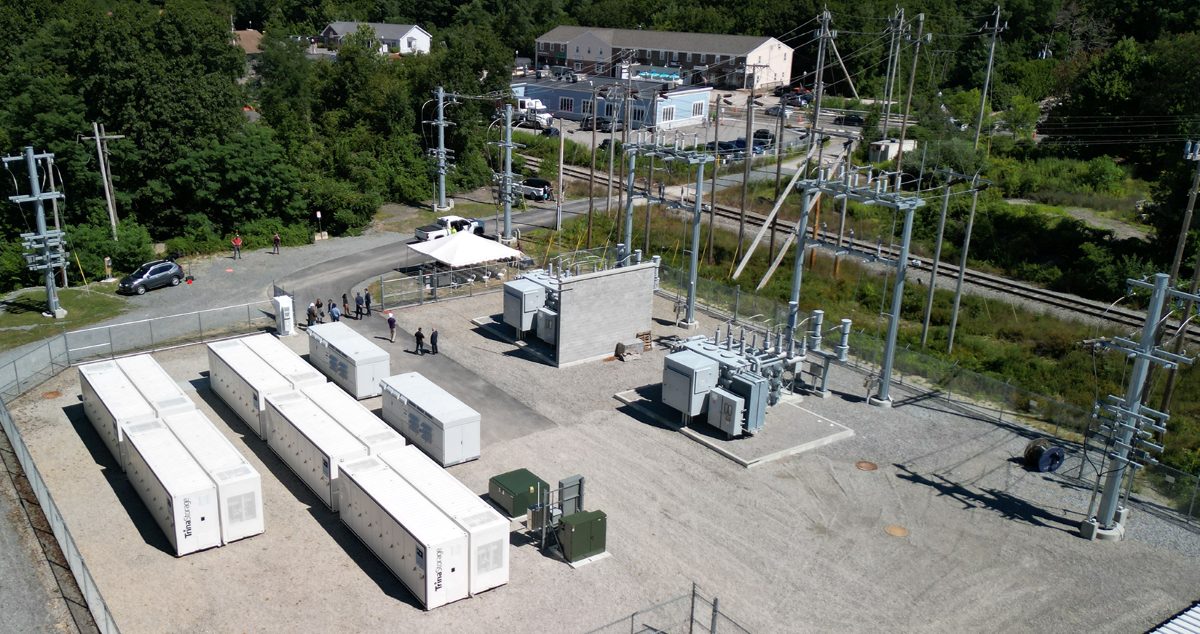
The governor signed Executive Order 654 on March 16, establishing a target of 10 GW of new energy resources to come online over the next decade. The mandate specifies the addition of 4 GW of in-state solar and 3.5 GW of demand side resources like virtual power plants (VPP), as well as an additional 5 GW of energy storage to be online or contracted by 2035.
“The American people are now paying the price as oil and gas bills go through the roof because of President Trump’s costly war,” Healey says, referring to the U.S. military actions in Iran. “I believe in an all-of-the-above approach to energy. That means solar, wind, gas, nuclear and hydro. While the president is taking American-built energy sources off the table, in Massachusetts we are saying yes to more supply from more sources of energy. We are saying yes to American jobs and American energy independence. And we are saying yes to lowering energy bills for all.”
Ruthie DeWit, Northeast state affairs director for the Solar Energy Industries Association (SEIA) applauded Healey’s executive order.
“With energy demand surging and the cost of living front of mind for residents across Massachusetts, every second, and every electron, counts,” DeWit says. “Our energy supply needs to keep pace with growing demand to keep electricity costs down for Massachusetts residents. Gov. Healey’s executive order addresses this challenge head on by targeting the buildout of more solar and storage, the fastest and most affordable forms of energy to add to the grid.”
In addition to bringing more energy sources online, DeWit also highlighted the governor’s directive to enact “commonsense interconnection reforms to help ensure that much-needed projects come online as quickly as possible.”
All-of-the-above approach to energy
The executive order that Healey signed outlines her all-of-the-above approach to energy supply, setting strong new targets for bringing more energy into Massachusetts and lowering energy bills. The governor’s directive requires agencies to pursue a range of energy resources and ensure adequate supplies in place to meet growing demand and lower bills.
The executive order outlines directives for state agencies related to solar, storage, wind, load management, gas, nuclear and geothermal, leading to an estimated savings of $10 billion for Massachusetts residents and businesses. Healey signed the order at Lynch Elementary School in Winchester, Massachusetts, which is powered entirely from roof-mounted and ground-mounted solar.
Massachusetts currently has 5.8 GW of installed solar capacity, the 14th-most of any state and enough to power more than 960,000 Massachusetts homes. Massachusetts also has 1 GWh of installed energy storage capacity.
A recent study by SEIA and Synapse Energy Economics found that continuing the state’s leadership on solar and storage delivers more than $313 million in annual consumer savings by 2030 and stronger winter grid reliability.
“When we invest in Massachusetts energy, we invest in Massachusetts energy jobs,” said Lt. Gov. Kim Driscoll. “It’s Massachusetts gas, solar, offshore wind and electric workers that are keeping our lights on, homes warm and businesses moving. For many, these are 24/7, 365-day jobs. We need to support our in-state energy supply and the workforce that makes it possible.”
More energy for Massachusetts
ISO New England projects that electricity consumption could rise by nearly 15 percent by 2035 and 50 percent by 2045, with peak electricity demand in the winter growing even faster. This is true across the country, as demand for electricity climbs and the cost to update the aging American electrical grid rises.
Healey is directing agencies to take a number of immediate steps to get more affordable energy built in the near future, including to:
- Ramp up efforts to build more solar projects before President Trump ends federal support.
- Expand opportunities for wind, nuclear power, and fusion energy.
- Explore natural gas and other fuel storage and delivery strategies to ensure reliability, avoid unnecessary spending and charges, and reduce reliance on imported liquefied natural gas.
- Lower the cost of geothermal for heating and cooling.
- Allow for flexible interconnection to make better use of the energy grid we already have and get more energy connected faster and cheaper.
Healey filed the Energy Affordability, Independence, and Innovation Act in May 2025 to lower energy bills and bring more supply into Massachusetts. The legislation includes a key provision that would give the state more flexibility in procuring a range of energy resources when costs are at their lowest, rather than on a rigid schedule that locks ratepayers into high costs.
“In the midst of another global conflict driving surges in fossil fuel prices, Governor Healey’s announcement could not be more timely,” says Kate Daniel, Northeast regional director, Coalition for Community Solar Access (CCSA). “Massachusetts needs local, reliable energy that will keep prices low and the lights on. Solar and energy storage are ready to deliver quickly, affordably and at scale, especially with efforts to streamline processes and cut red tape.”